



It has only been a few days since I introduced Project White Noise, my 2024 BMW M340i xDrive, and I have already spent a completely unreasonable amount of time trying to figure out exactly what the previous owner did to it. I definitely wasn’t looking for a used car, and especially wasn’t looking for an already-modified one, but there just isn’t a ton of inventory out here in corn land (Nebraska). Luckily, I found almost exactly the spec I wanted, minus the Adaptive M Suspension: Alpine White, Tacora Red interior, Shadowline package, the wheels I wanted, Harman Kardon audio, and a car that spent its entire previous life in Texas, meaning it hasn’t spent years being assaulted by Nebraska road salt. Even better, most of the modifications already installed were things I probably would have eventually done myself anyway.
I’m pretty pleased with what I got for the price, especially after trading in the old BMW, getting them down a bit from the original price, and essentially getting thousands of dollars worth of modifications that weren’t really factored into that number. The problem was that I didn’t get a nice spreadsheet listing every modification, manufacturer and part number.
So, naturally, I’ve been reverse-engineering somebody else’s project.
I’ve crawled around the car, looked under the hood, found boxes and miscellaneous parts in the trunk, compared components to pictures online, experimented with the exhaust remotes, and generally done the automotive equivalent of inheriting an undocumented production environment. As someone who works in IT, this feels strangely familiar.
The good news is that I now know considerably more about Project White Noise than I did when I bought it.
What Has Already Been Modified?
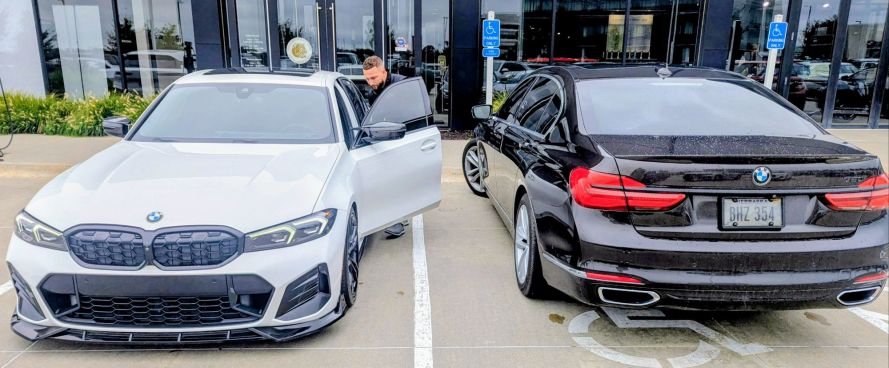
The easiest place to start is with everything I’ve identified so far. Some components have been positively identified down to the manufacturer and product, while others still fall into the category of, “I know what it does, but I have absolutely no idea who made it.”
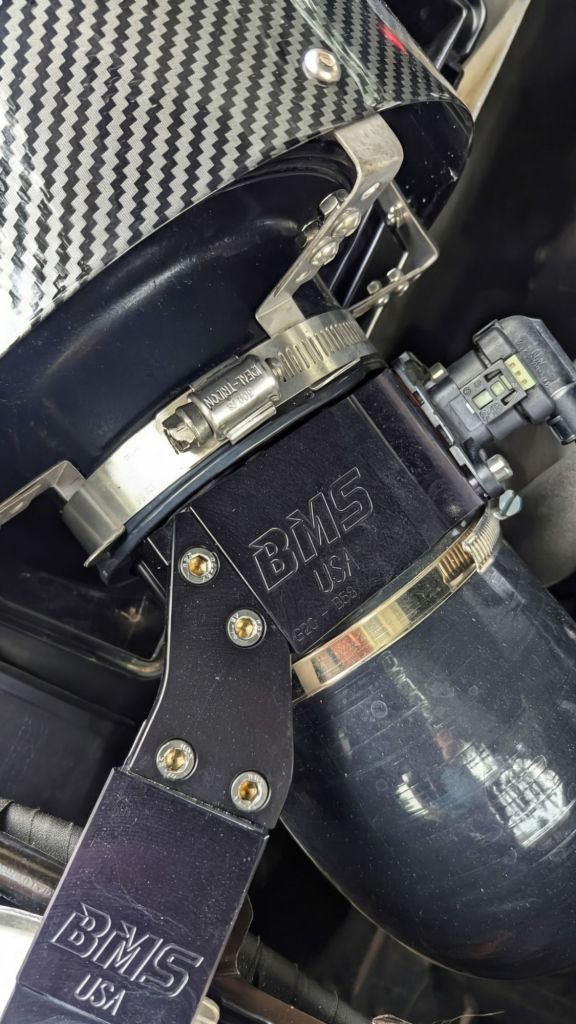
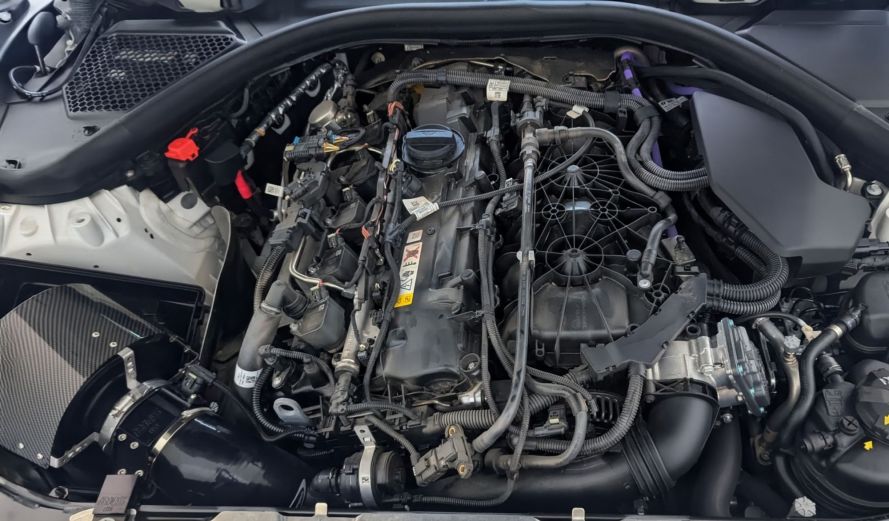
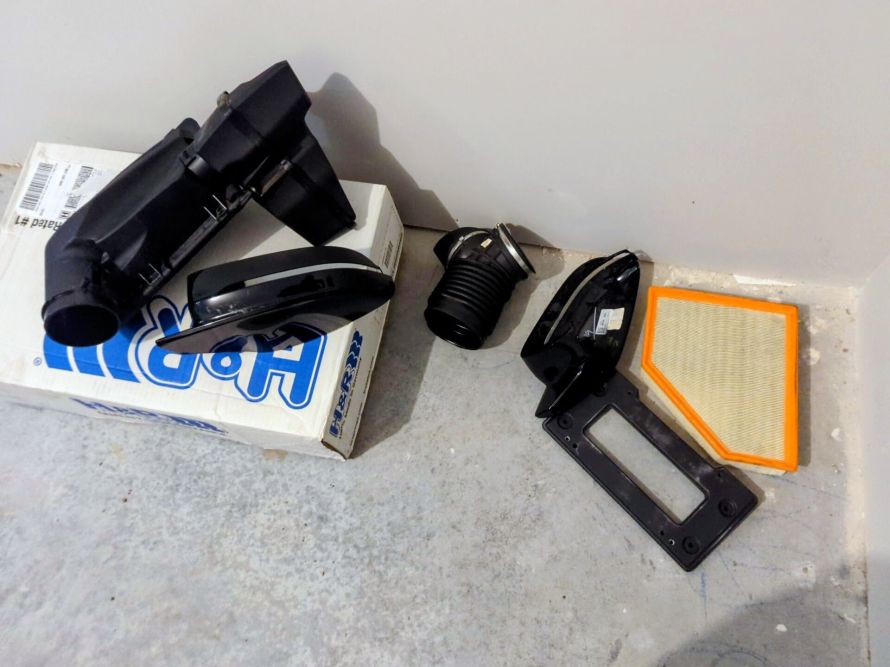
The factory intake has been replaced with a Burger Motorsports (BMS) Billet Intake for the Gen 2 B58, along with BMS’s optional Silicone Intake Pipe Hose Upgrade. The intake replaces the restrictive upper portion of the factory system with a billet MAF housing and large open-element cone filter while retaining the lower factory airbox and cold-air ducting. The optional silicone pipe goes a step further by replacing additional factory intake plumbing, including the upper sound resonator and lower accordion section. There is also a carbon-fiber heat shield surrounding the filter that appears to provide some additional isolation from engine-bay heat, although I haven’t positively identified its manufacturer yet.
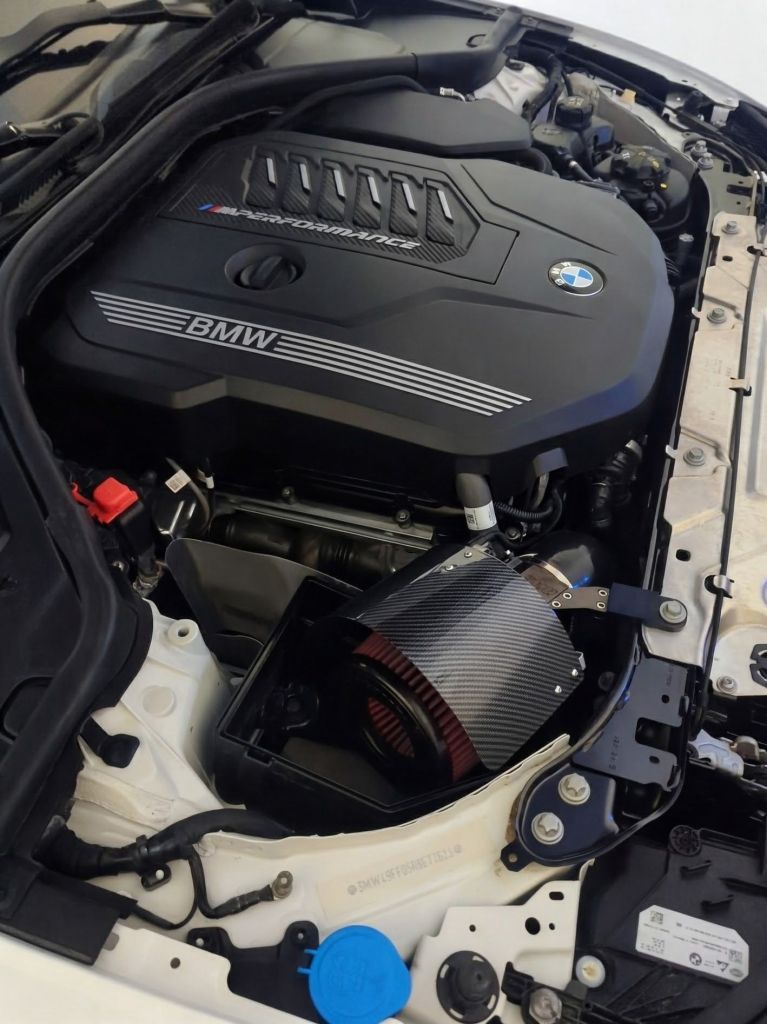
BMS claims the intake itself can provide a small performance improvement, but honestly, I couldn’t care less about a handful of horsepower from an intake. The sound is what makes this setup worth it. The B58 already makes some entertaining noises, but removing the factory intake and resonator makes the turbo considerably more noticeable. You can hear it inhaling under acceleration, spooling as boost builds and releasing a quick burst of air when you get out of the throttle. Honestly, it sounds like the car has an aftermarket blow-off valve. That sharp WOOSH every time I lift after building boost makes me feel alive.
It probably doesn’t have a custom BOV—or at least I haven’t found one yet—but the combination of the open-element intake and resonator-delete piping exposes a lot of turbo noise BMW worked pretty hard to hide with the factory system. I’m sure a completely enclosed intake would technically be the more sensible setup from a heat-management standpoint.
But turbo noises.
I’m keeping this one.
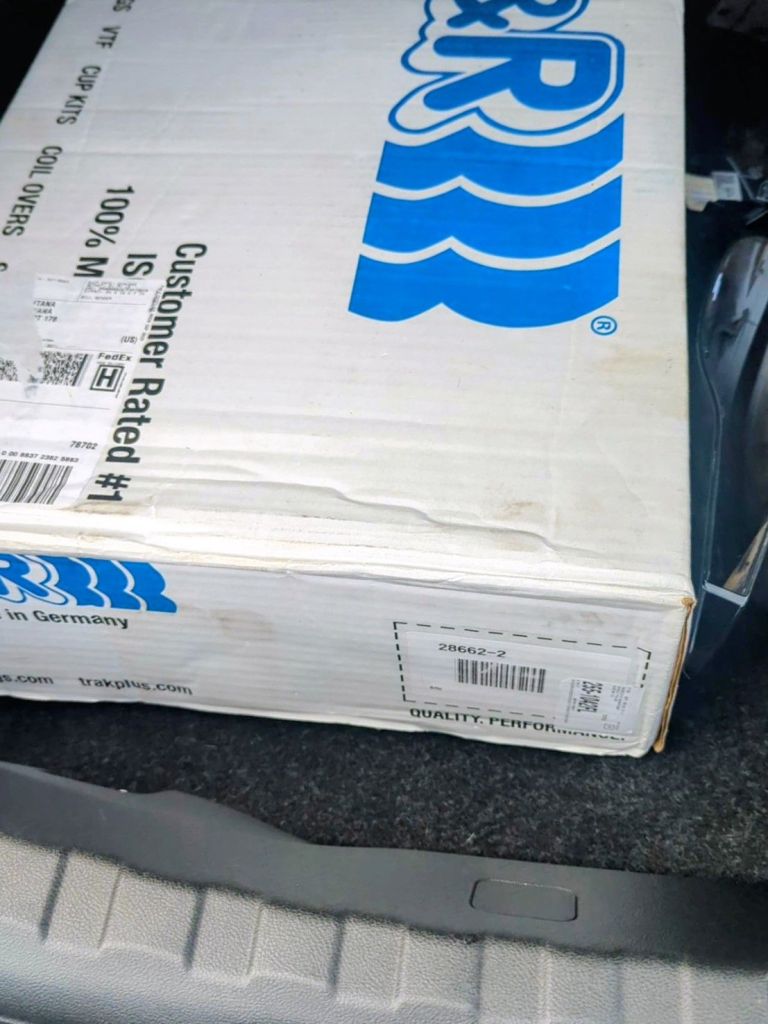
The suspension was another mystery and one of the things I initially got wrong. I was told the car was riding on coilovers, which made sense considering how low it sits. After getting a better look underneath and finding an H&R box that came with the car, it appears Project White Noise is actually running H&R lowering springs. I probably wouldn’t have personally lowered a daily driver, especially one that has to survive Nebraska winters, but I can’t argue with the result. The car sits considerably lower than a stock M340i, looks fantastic doing it, and feels extremely planted around corners.
There is, however, a downside. Nebraska winter is approaching, and my front splitter is currently located approximately four millimeters above the center of the Earth.
Speed bumps have become tactical exercises.
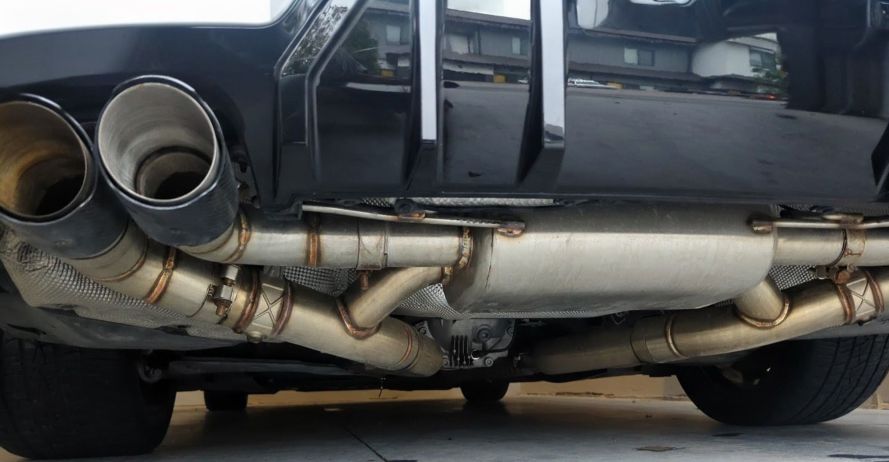
The exhaust is probably the biggest remaining mystery on the car. It’s a full aftermarket valved cat-back exhaust system with quad carbon-fiber tips and two wireless remotes for manually opening and closing the valves. Originally, I thought it might be an Akrapovič system, but after spending more time examining it, I’m considerably less convinced of that. There are plenty of Akrapovič-style systems and replicas available for the G20, and until I find an actual manufacturer marking, serial number or part number, I’m just going to call it exactly what I know it is: a valved aftermarket cat-back exhaust.
Brand: unknown. Possibly a knockoff. Sound: definitely not unknown.
With the valves closed, the M340i is surprisingly civilized. Open them and the personality changes dramatically. Cold starts become considerably louder, Sport Plus produces plenty of burbles, and the B58 finally sounds more like the engine its performance suggests it should be. The remote-controlled valves are also extremely useful when you live in an apartment and occasionally leave early in the morning. My neighbors don’t need to participate in Project White Noise.
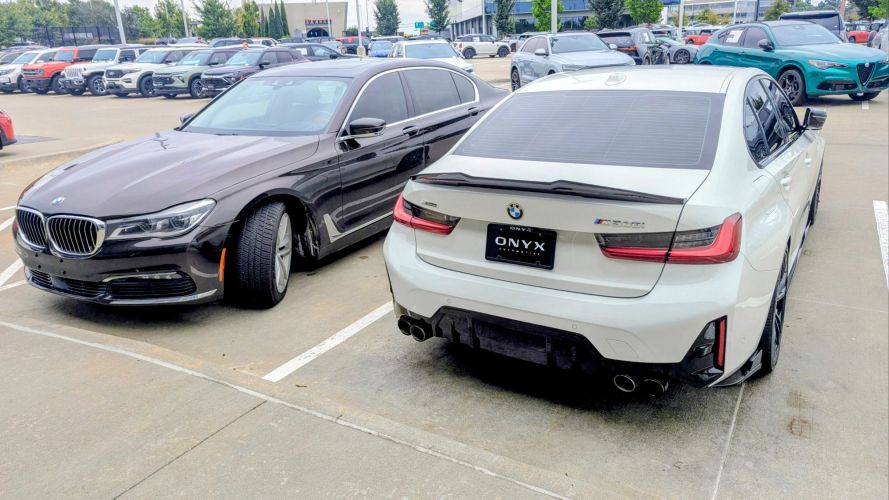
There is also quite a bit going on outside the car. It has an aftermarket front splitter/lip, full side skirts, a more aggressive rear diffuser/valance, carbon-fiber mirror caps, red front chassis/v-brace covers behind the kidney grille, and a carbon-fiber trunk spoiler. I still haven’t identified the manufacturer of the body kit, and it could just as easily be a collection of individual parts accumulated over time rather than one complete package. Either way, it dramatically changes the appearance of the car compared with a stock G20 M340i and works extremely well with the Alpine White paint and Shadowline trim.
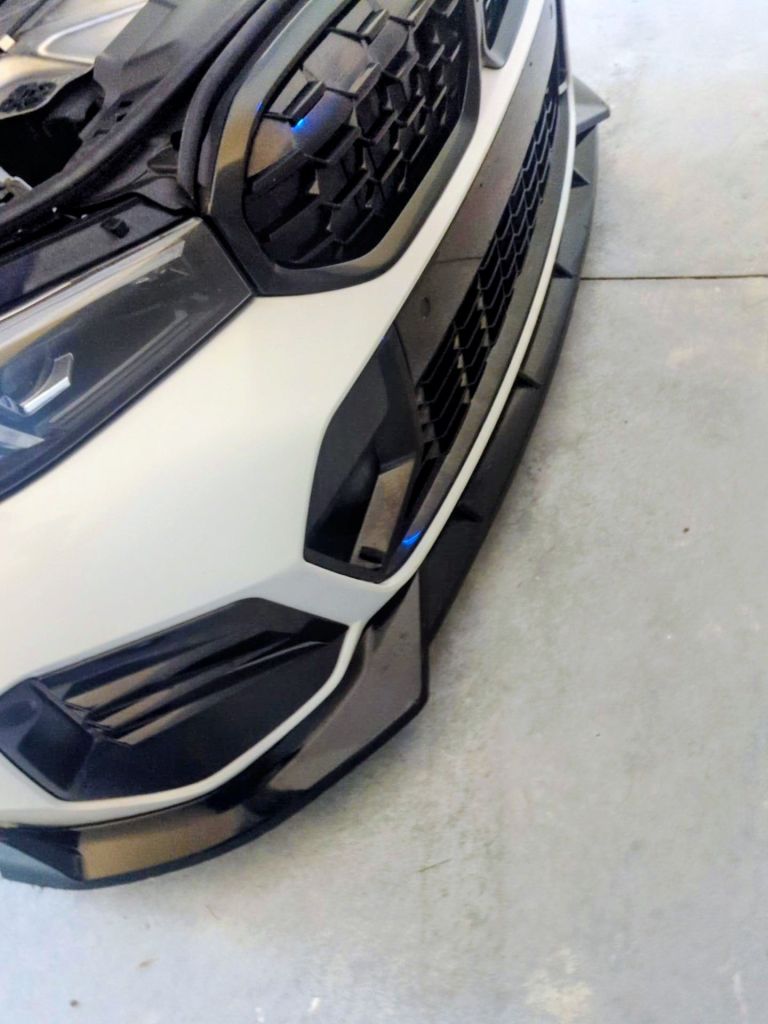
Unfortunately, combining the body kit with lowering springs means I now approach steep driveways at angles previously reserved for rock crawlers.
The carbon-fiber trunk spoiler is probably my favorite exterior piece. It’s considerably more aggressive than the factory spoiler without crossing into ridiculous territory, while the carbon mirror caps help tie everything together. White, black and carbon fiber seems to be the theme of this car, and I’m not complaining.
The previous owner also tinted the windows.
Very heavily.
It looks fantastic during the day. At night, I have discovered an exciting new technology called rolling down the window so I can see. The tint may eventually be replaced with something slightly lighter. I’m all for appearance, but seeing other vehicles remains fairly high on my list of desirable automotive features.
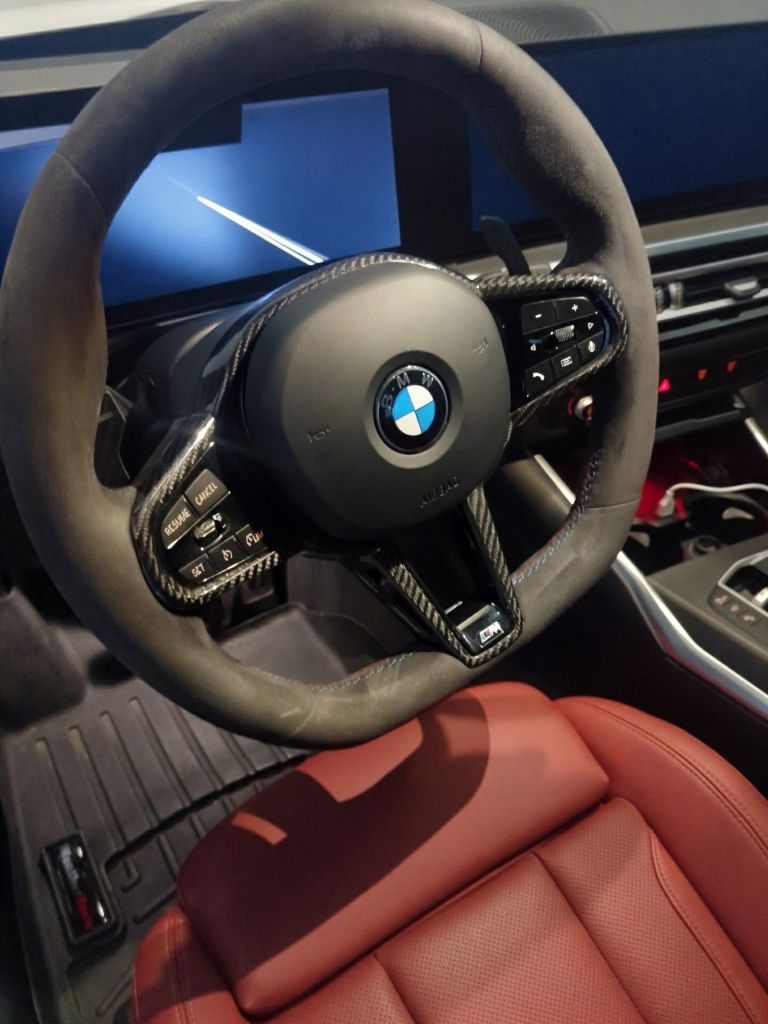
Inside, the factory steering wheel has been replaced with an M-style Alcantara and carbon-fiber steering wheel, which might actually be my favorite interior modification. The 750i had an incredibly nice leather steering wheel, but the Alcantara/carbon combination fits the personality of the M340i considerably better. Combined with the Tacora Red interior, it makes the cabin feel much more like a cockpit than the luxury-lounge atmosphere of the old 7 Series.
There are several other carbon-fiber accents throughout the interior, although I don’t think the previous owner finished everything. That gives me an obvious project, because apparently I’ve decided that the solution to owning some carbon fiber is owning more carbon fiber.
So What’s Left for Me to Modify?
This is the unusual part. Normally I buy a car and immediately start creating a list of things I want to change. With Project White Noise, somebody already completed half of that list before I owned it.
That doesn’t mean I’m finished.
Obviously.
The performance modification I’m most interested in is adding a modest amount of boost now that the B58 is breathing through the BMS intake and exhaling through a freer-flowing cat-back exhaust. Considering everything else the previous owner did to the car, I wouldn’t be surprised if he ran some kind of piggyback or tune at some point, but I haven’t found one on the car. This makes sense since the owner traded it in for an M2 and said it was ‘stock.’
A proper flash tune or something like a Burger Motorsports JB4 would provide considerably more control and performance potential, but I still have factory warranty coverage and paid for an extended warranty on top of it. I’m not particularly interested in throwing either away for horsepower I honestly don’t need. That has me looking primarily at simpler piggyback modules that intercept the boost-pressure signal and cause the factory ECU to command additional boost without actually flashing the ECU.
All of the options below cost around $200–$300, which is a steal for the performance gained
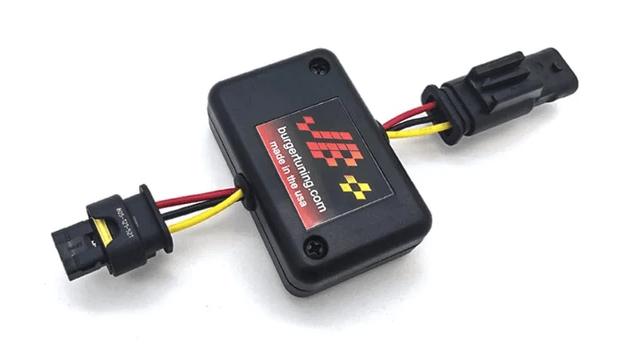
The Burger Motorsports B58_JB_PLUS (JB+) is probably the leading candidate. It’s adjustable up to approximately 4.5 PSI over stock, with BMS claiming gains of up to around 40 wheel horsepower and 50 wheel lb-ft of torque on B58 applications. Since I already have the BMS intake and silicone intake pipe, I also like the idea of keeping the performance components within the same brand when practical. Only drawback of this device is the inability to change the boost settings from inside the car; one would need to open the hood and turn the dial on the device. My RaceChip on my 750i was the same setup, and honestly, I changed the settings only a handful of times while working on reducing knock, then just kept the setting I wanted going forward. But say you are traveling and only come across a station with 87 octane, it would be nice not to have to pull over to drop the boost, for example.
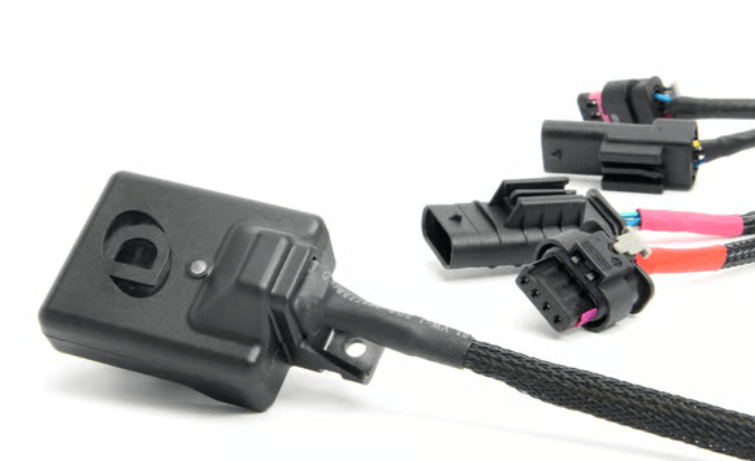
The second option is the Dinan DINANTRONICS Sport Performance Tuner (D440-0047). Dinan rates the B58 application for gains of up to approximately 40 horsepower and 50 lb-ft of torque as well. It’s conceptually similar to the JB+ as a simple sensor-based piggyback, but adds Bluetooth control and selectable Sport, Sport+ and Race settings. Dinan also has the obvious advantage of being a very well-known name in BMW performance.
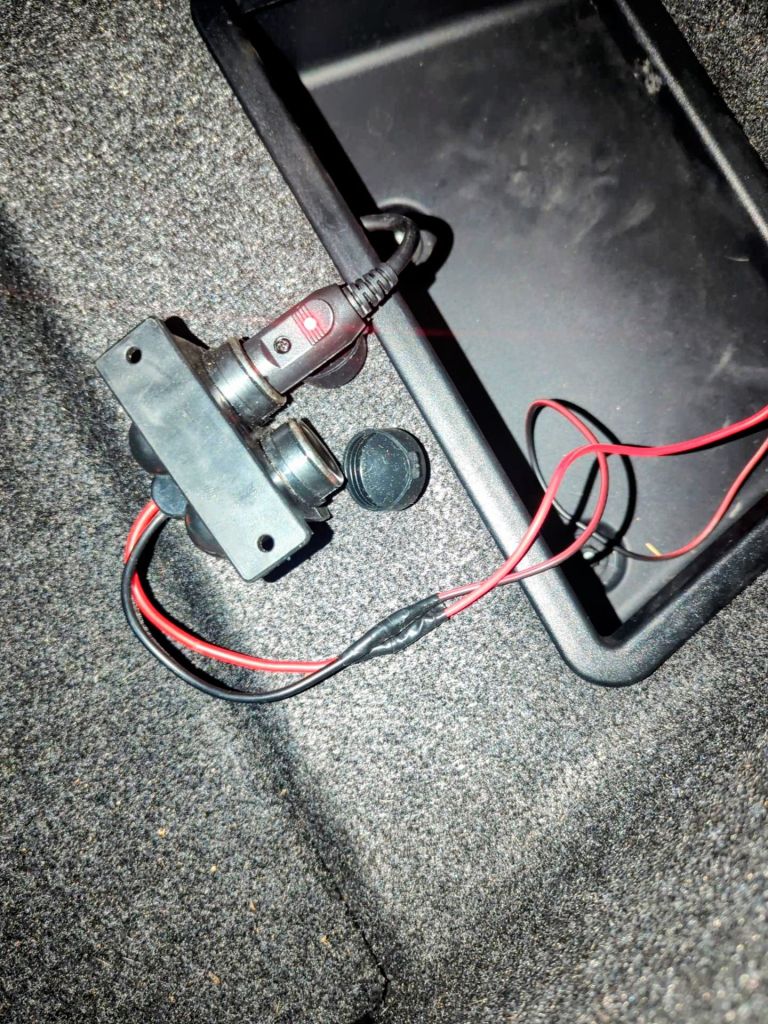
Then there is the wildcard: the Turbo Transformer Bluetooth Boost Controller. The manufacturer advertises typical gains in the neighborhood of 20–40+ horsepower and 30–60 lb-ft of torque, but what makes this one particularly interesting is the amount of adjustment it provides. Instead of simply choosing an overall boost increase, the app allows adjustment of Base PSI, Delta PSI and Slope. That means I could actually shape how aggressively the additional boost comes in rather than simply adding the same amount everywhere. I’ve seen complaints about simple piggybacks bringing additional boost in harder or earlier than some owners prefer, so being able to keep things conservative down low and progressively introduce additional boost higher in the RPM range is appealing.
The downside is that Turbo Transformer isn’t anywhere near as well known as Burger Motorsports or Dinan, and there simply isn’t the same amount of B58 community history behind it. I’m much more of a 0–60 acceleration guy than someone interested in doing ridiculous speeds and endangering other drivers, so if I did go with the Turbo Transformer, I’d probably use that adjustability to keep the car manageable down low and add the majority of the additional boost farther up the RPM band.
Whichever route I take, I’m deliberately staying conservative. The M340i is already ridiculously quick in factory form. I ran a similar setup on Project Sport Limo, where I used a RaceChip S to add a few pounds of boost to the N63TU in the 750i, and that experience is part of why a simple piggyback appeals to me again.
I’m not looking to turn the M340i into a 700-horsepower highway missile. At least that’s what I’m saying in October 2026.
Let’s revisit that statement later.
For now, intake, exhaust and perhaps another 2 PSI or so sounds like a pretty good combination. I doubt I’d even run one of these modules at its maximum setting.
So what would all of this actually make? BMW officially rates the 2024 M340i’s B58 at 382 horsepower and 369 lb-ft of torque, although real-world dyno testing has repeatedly shown that BMW is rather conservative with those numbers. A stock Gen 2 B58 is generally estimated to be producing somewhere around 420–435 horsepower and 450–465 lb-ft of torque at the crank. With my BMS intake and intake piping, freer-flowing cat-back exhaust, 93-octane fuel and a conservative piggyback adding around 2 PSI of boost, I would expect Project White Noise to land somewhere around 455–470 horsepower and 490–510 lb-ft of torque at the crank. If I eventually turned the piggyback up closer to its maximum setting on 93 octane, something in the neighborhood of 470–485 horsepower and 510–530 lb-ft seems realistic. For now, I’m perfectly happy calling my planned conservative setup roughly a 465-horsepower, 500-lb-ft M340i—which is already pretty ridiculous considering we’re talking about an intake, exhaust and a small plug-in box on an otherwise stock-turbo daily driver.
BimmerCode, BimmerLink and Monitoring
Before adding horsepower, I actually need to replace something considerably less exciting: my OBD adapter.
I had a very nice Bluetooth OBD-II adapter that I used extensively with the 750i.
And I left it in the 750i.
You’re welcome, next owner.
I have another adapter, but unfortunately it doesn’t seem to cooperate properly with the newer Bluetooth implementation and the software I want to use, so another quality Bluetooth OBD-II adapter is on the shopping list.
I plan on using BimmerCode again to explore what can be changed in the M340i. I used it extensively with the 750i to modify factory configuration options, and I’m curious to see what’s still accessible on the newer G20 platform. I’ll also be using BimmerLink for diagnostics and live engine data.
I’d particularly like to find a good solution for displaying engine telemetry through Android Auto. Being able to monitor things such as boost pressure, intake temperature, coolant temperature, ignition timing corrections/knock retard and other engine parameters directly from the infotainment display would be considerably more useful than constantly looking down at my phone. That information would become even more useful if I add a piggyback, since I’d like to see what the engine is actually doing rather than simply assuming everything is happy because the dashboard hasn’t lit up like a Christmas tree.
Because apparently the solution to working with monitoring dashboards all day is building another monitoring dashboard for my car.
Interior, Audio and the Smaller Stuff
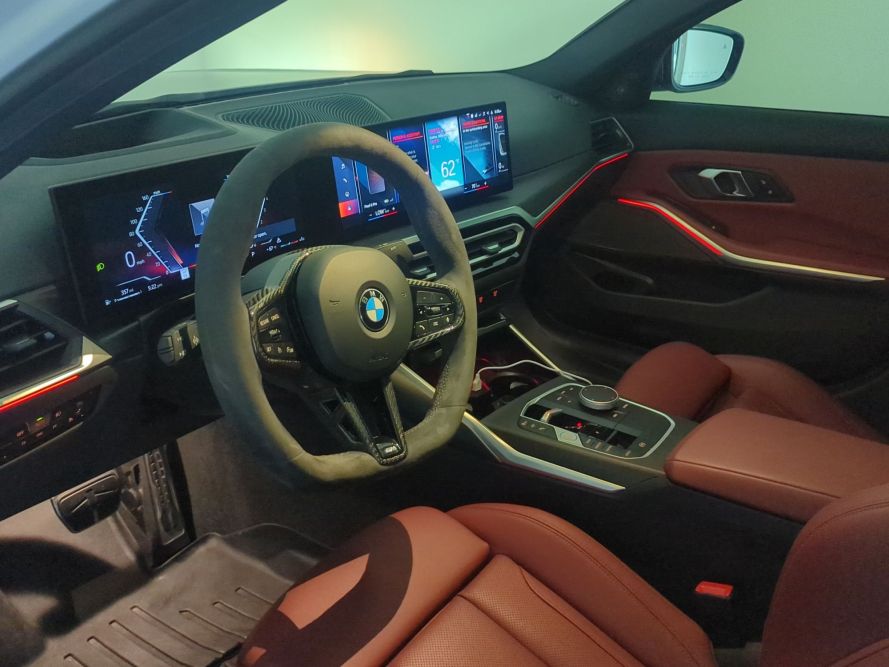
I also want to finish the carbon-fiber theme inside the cabin. There are already several carbon pieces, but I’d like to add carbon-fiber dash accents and potentially replace or cover some of the remaining factory trim.
I don’t want to go completely insane with it.
That’s another sentence we’ll revisit later.
The Harman Kardon audio system is another area I want to address. It’s perfectly respectable, but coming from the 750i, I’m still disappointed by its low-frequency response. I don’t need an obnoxious system, and I’m not trying to vibrate the license plate off the trunk. I just want more low-end extension and output.
The cleanest option I’m currently considering is replacing the factory underseat woofers with Bavsound Ghost V3 under-seat woofers. I really like this approach because everything remains hidden in the factory locations and I don’t have to sacrifice any trunk space. Bass is really my only major complaint about the HK system, so replacing every speaker just for the sake of replacing them doesn’t make much sense to me.
If that isn’t enough, the other option is doing things the old-fashioned way with a dedicated trunk-mounted subwoofer and amplifier integrated into the factory Harman Kardon system. If I go that route, I want the installation to be as stealthy as possible. Ideally, you’d open the trunk and barely know anything had been changed until the bass hit.
Knowing me, whichever option I choose will probably become its own article.
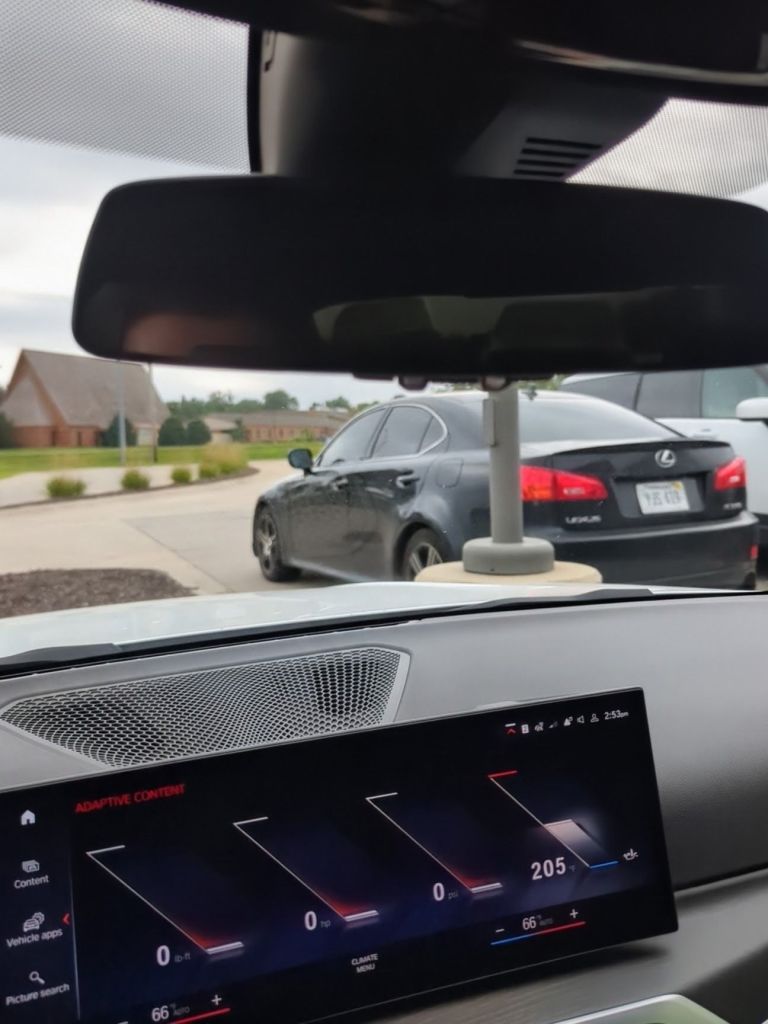
There are also a few smaller cosmetic and quality-of-life things I want to address. I need some decent license plate frames because apparently you can own a modified turbocharged BMW with carbon fiber everywhere and still spend an unreasonable amount of time deciding what should surround a rectangle of government-issued aluminum.
There are also some cheap Amazon parts on the list: a center-console organizer for my phone, wallet and other junk, a screen protector for the massive curved display, and possibly a better solution for the front USB port. I’d particularly like to figure out whether I can get more charging power out of the front port or replace the USB-A connection with USB-C without creating unnecessary problems. The USB-C port inside the center console charges my phone perfectly well, so naturally I want the less convenient port to work just as well.
And then there is winter. I’ll eventually need a winter wheel and tire setup, and I need to figure out how to keep that front splitter attached to the car when Nebraska inevitably decides to dump eight inches of snow on us.
Where Project White Noise Currently Stands
So, as of October 2026, the known build consists of the Burger Motorsports Billet Intake and optional silicone intake pipe, the still-unidentified carbon-fiber intake surround, H&R lowering springs, the mystery valved cat-back exhaust with quad carbon tips, the front splitter, side skirts and rear diffuser, carbon-fiber trunk spoiler and mirror caps, heavy window tint, Alcantara/carbon steering wheel, additional carbon-fiber interior trim and WeatherTech floor liners.
The future list currently includes some form of conservative piggyback—most likely the BMS JB+, although Dinan and Turbo Transformer are still options—a new Bluetooth OBD-II adapter, BimmerCode and BimmerLink setup, Android Auto engine monitoring, additional carbon-fiber interior pieces, the Bavsound Ghost audio upgrade or possibly a stealth trunk subwoofer, better license plate frames, some small interior accessories, potentially lighter window tint, and a winter wheel/tire solution.
I’m sure I’m forgetting something.
More importantly, I’m sure that list will be considerably longer six months from now.
Reverse-Engineering Somebody Else’s Build
Project White Noise is turning into a different kind of automotive project than I originally expected. With Project Sport Limo, I started with a basically stock BMW 750i and slowly changed it over several years.
This time, I bought the project halfway through.
Instead of asking, “What should I modify?” I’m starting by asking, “What did the last guy modify?”
And I actually enjoy that. There is something strangely entertaining about finding another aftermarket component, trying to identify it, figuring out how it was installed and deciding whether I would have made the same choice.
It’s basically IT discovery and documentation, except the undocumented environment has a B58. Eventually, I’ll have everything identified. Then I’ll start changing it again, because apparently Project White Noise wasn’t somebody else’s finished project.
It was just my starting point.
Oh, and I officially completed my first modification to the car entirely on my own.
BMW M valve-stem caps.
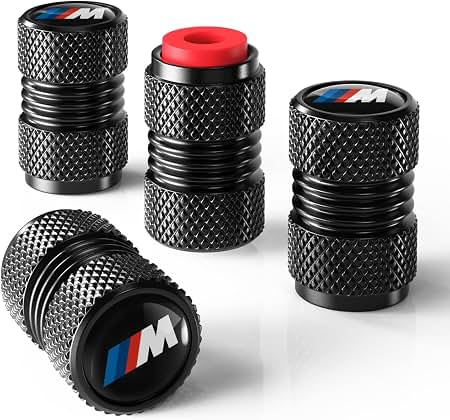
I know. I know. Try to contain your excitement.
But the first mod is always the gateway to the addiction.
Categories: Random Thoughts


