


Introduction
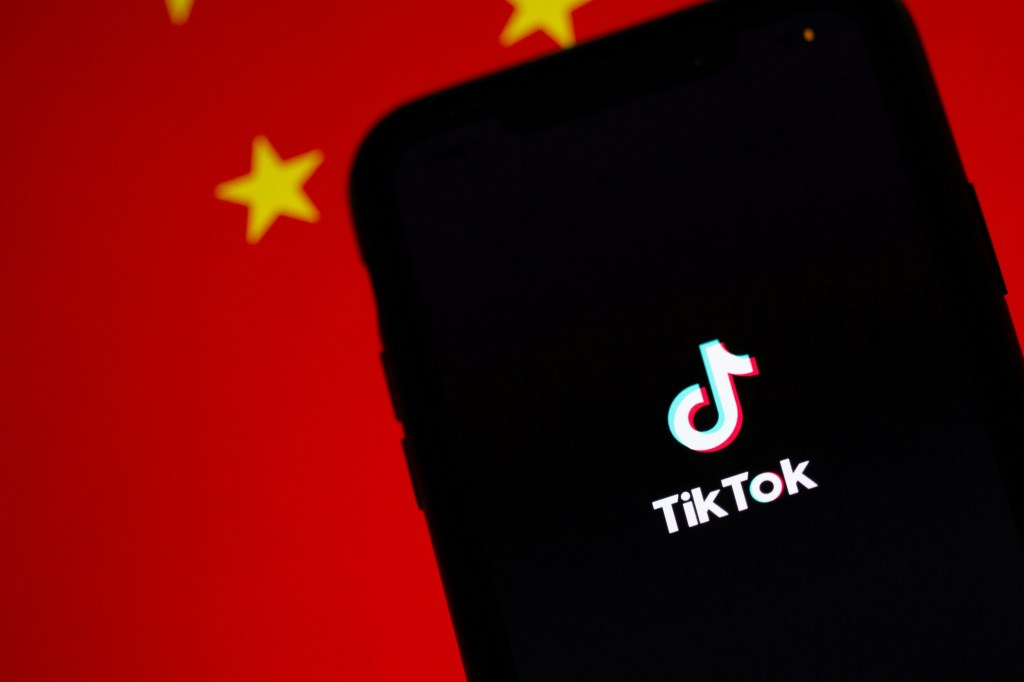
TikTok, a video-sharing social networking service, has skyrocketed to global popularity, becoming one of the most downloaded apps in the world. While it provides entertainment, creative expression, and social connectivity, TikTok has also faced intense scrutiny for its potential security risks and data privacy concerns. This blog post delves into TikTok’s functionalities, its differences from other social media platforms, the controversies surrounding its parent company, ByteDance, and the implications of its potential shutdown in the United States.
What Is TikTok?
TikTok is a short-form video platform that allows users to create and share 15- to 60-second videos set to music, dialogue clips, or sound effects. Launched internationally in 2018 after merging with the app Musical.ly, TikTok appeals primarily to younger demographics but has broadened its user base over time. Key features include:
- Video Editing Tools: Offers effects, filters, and AR features to enhance creativity.
- For You Page (FYP): A personalized content feed powered by advanced algorithms.
- Trends and Challenges: Users participate in viral trends, making TikTok highly engaging and community-driven.
- Music Library: Features licensed music and sound clips for video background.
TikTok has established itself as a cultural phenomenon, inspiring millions of creators worldwide. Its intuitive interface ensures accessibility for novice users while providing tools advanced enough for professional content creators. Furthermore, TikTok’s rapid rise in popularity is attributable to its ability to localize content—offering region-specific trends and challenges while maintaining a global appeal.
The app’s wide reach has also made it a hub for social advocacy and education. Users often utilize TikTok to spread awareness about critical issues, share educational content, and engage in real-time discourse. This multifaceted usage extends TikTok’s role beyond entertainment to include activism and community-building.
However, its integration into everyday life comes at a cost. As TikTok ingrains itself deeper into social structures, questions regarding its impact on mental health, attention spans, and societal trends have surfaced, complicating the narrative of its meteoric success.
How TikTok Differs From Other Social Media Platforms
TikTok’s primary differentiators include:
- Algorithm-Centric Content Discovery: Unlike platforms like Facebook, which prioritize social networks, TikTok’s FYP uses a powerful recommendation algorithm to surface content tailored to user preferences.
- Creative Tools: Advanced editing features and AR filters encourage creativity without requiring third-party apps.
- Short-Form Video Focus: TikTok capitalized on the trend of bite-sized entertainment.
- Youth Appeal: While Instagram and Facebook cater to broader demographics, TikTok is particularly popular among Gen Z and millennials.
The algorithm’s design ensures users are exposed to content even if they don’t follow specific creators, fostering a unique sense of discovery. This contrasts sharply with Instagram and Facebook, where user feeds are largely influenced by connections and relationships. The immediacy and unpredictability of TikTok’s content feed make it a highly addictive platform.
TikTok’s emphasis on short-form video distinguishes it from platforms like YouTube, which is known for longer content. This brevity aligns with evolving content consumption habits, catering to users seeking quick and engaging experiences. Additionally, TikTok’s music integration enables users to create videos that resonate emotionally, often leading to viral trends.
Another key difference lies in its user culture. TikTok thrives on spontaneity and authenticity rather than polished aesthetics. Users often prioritize humor, relatability, and creativity over perfection, fostering an environment that feels less curated than Instagram or Snapchat. This cultural shift has redefined online interaction, creating a space that champions self-expression over conventional social media norms.
ByteDance: TikTok’s Parent Company
TikTok is owned by ByteDance, a Chinese technology company founded in 2012. Headquartered in Beijing, ByteDance operates numerous apps, including:
- Douyin: The Chinese version of TikTok.
- Toutiao: A popular news aggregator in China.
- Lark: A collaboration and productivity platform.
ByteDance’s rapid rise to prominence mirrors TikTok’s growth trajectory. The company is renowned for its innovative use of AI and machine learning, which power the recommendation algorithms across its platforms. By analyzing user behavior, ByteDance has created applications that are highly personalized, contributing to their global appeal.
However, ByteDance’s ties to the Chinese government have come under intense scrutiny. Critics allege that the company operates under China’s data sovereignty laws, which mandate companies to provide access to data upon government request. While ByteDance has repeatedly denied these allegations, the lack of transparency fuels skepticism about its independence.
In addition to its flagship apps, ByteDance invests heavily in emerging technologies such as virtual reality (VR) and artificial intelligence (AI). These investments indicate the company’s ambitions to diversify and expand its influence beyond social media. Yet, these efforts are often overshadowed by controversies surrounding data privacy and security.
Security Concerns with TikTok
Past Security Issues
- Data Privacy Concerns:
- TikTok collects vast amounts of data, including location, device information, browsing history, and biometric data.
- Critics allege that ByteDance’s data practices lack transparency, potentially exposing sensitive user information.
- Algorithm Transparency:
- The recommendation algorithm is a black box, raising concerns about manipulation and influence.
- App Vulnerabilities:
- In 2020, cybersecurity researchers found vulnerabilities in TikTok that could allow attackers to hijack accounts.
- Chinese Government Influence:
- ByteDance is subject to Chinese laws that could compel data sharing with the government under national security provisions.
TikTok’s data privacy policies have faced criticism for their opacity. Reports suggest that TikTok collects more data than is necessary for its operations, including information unrelated to its core functionalities. For instance, the app’s ability to access clipboard data raised concerns about potential overreach.
Algorithm transparency remains another critical issue. Critics argue that TikTok’s opaque recommendation system could be manipulated to push specific narratives or censor content. The potential for abuse—whether by the company, bad actors, or state entities—poses significant risks to users and democratic systems.
The app’s vulnerabilities have been exploited in the past. In some cases, attackers leveraged weaknesses to gain unauthorized access to user accounts. These incidents highlight the importance of robust security measures, which TikTok has promised to improve but remains under scrutiny.
Why TikTok is Not Secure
- Data Collection Practices:
- TikTok gathers:
- User location (GPS).
- Device identifiers (IP addresses, hardware models).
- User-generated content and interaction data.
- Biometric data (face and voice prints).
- TikTok gathers:
- Potential Offensive Uses:
- Surveillance: Aggregated data can be used for mass surveillance.
- Disinformation Campaigns: Tailored content could influence public opinion.
- Espionage: Sensitive user data could aid intelligence operations.
- Insufficient Safeguards:
- Unlike U.S.-based companies, TikTok’s compliance with international privacy laws is often questioned.
Experts warn that the volume and specificity of data TikTok collects could enable precise user profiling. Such profiling could be weaponized for targeted disinformation campaigns, influencing political discourse or destabilizing public opinion. Additionally, biometric data collection—such as facial recognition—raises concerns about long-term privacy implications.
The possibility of data sharing with the Chinese government intensifies these concerns. Although TikTok claims its U.S. operations are independent, skeptics point out that data flow oversight remains limited. Security experts argue that even indirect data sharing could enable espionage activities or bolster China’s strategic goals.
TikTok’s safeguards against these risks have often been deemed insufficient. While the company has taken steps to address vulnerabilities, including opening transparency centers and collaborating with third-party auditors, many believe these measures fall short of addressing systemic issues.

U.S. Government’s Role
The U.S. has repeatedly scrutinized TikTok due to its data practices and potential ties to the Chinese government. Key actions include:
- Executive Orders:
- Former President Donald Trump attempted to ban TikTok in 2020, citing national security risks.
- Committee on Foreign Investment in the United States (CFIUS):
- CFIUS demanded ByteDance divest TikTok’s U.S. operations.
- Legislation:
- Proposed laws aim to limit or ban TikTok nationwide.
- Upcoming Shutdown:
- A potential ban could take effect as early as Sunday, significantly affecting TikTok’s 150 million U.S. users.
The U.S. government’s concerns extend beyond TikTok’s data practices. Officials warn that the app’s widespread adoption poses broader security risks, including influence operations and infrastructure vulnerabilities. TikTok’s role in shaping public discourse—especially among younger demographics—amplifies these concerns.
CFIUS’s demand for divestiture underscores the government’s intent to minimize foreign influence over critical technologies. While TikTok has proposed measures to address these concerns, including establishing a U.S.-based data management subsidiary, policymakers argue that such steps may not sufficiently mitigate risks.
The upcoming ban’s timing reflects growing bipartisan support for stricter regulations on Chinese tech companies. If enacted, the ban would mark a significant escalation in U.S.-China tech tensions, with implications for other Chinese apps operating in the United States.
Implications of TikTok’s Shutdown
- For Users:
- Loss of a platform for entertainment and income (for creators).
- Migration to other platforms like Instagram Reels or YouTube Shorts.
- For Businesses:
- Brands leveraging TikTok for marketing will need to pivot strategies.
- For National Security:
- The shutdown could reduce risks of data exploitation but might not address broader cybersecurity vulnerabilities.
- For U.S.-China Relations:
- The ban could escalate tensions between the two nations.
TikTok’s potential shutdown would have profound implications for its massive user base. Content creators reliant on the platform for income would face significant disruptions, while users would lose a key outlet for entertainment and self-expression. This migration could reshape the digital content landscape, driving traffic to alternative platforms.
Businesses would also feel the impact. TikTok’s unique advertising model and viral potential have made it an indispensable tool for marketers targeting younger audiences. A ban would compel brands to reallocate resources and rethink strategies, potentially slowing growth in digital advertising sectors.
From a national security perspective, the shutdown represents a preventive measure rather than a definitive solution. While it may curb TikTok-specific risks, broader challenges—such as vulnerabilities in other apps and systems—persist. This highlights the need for a comprehensive approach to cybersecurity.
The geopolitical implications of the ban cannot be ignored. U.S.-China relations, already strained by trade disputes and technology competition, could deteriorate further. The move could also set a precedent for other countries grappling with similar concerns about Chinese tech influence.

Lessons Learned
- Data Sovereignty:
- Countries must ensure user data is stored and processed within secure jurisdictions.
- Transparency:
- Tech companies should adopt transparent data practices.
- Regulation:
- Governments should create comprehensive frameworks to regulate data privacy.
- Consumer Awareness:
- Users should understand the risks of data sharing on social platforms.
TikTok’s controversies underscore the importance of data sovereignty. Nations must implement measures to ensure that sensitive user data remains within their control, minimizing the risk of foreign exploitation. Localized data storage and independent audits could provide greater security.
Transparency is another crucial takeaway. Companies must openly communicate how they collect, store, and use data to build trust with users and regulators. This includes providing insights into algorithmic operations, which remain opaque across many platforms.
Regulation plays a key role in addressing systemic vulnerabilities. Comprehensive laws—such as the EU’s GDPR—offer a framework for safeguarding user privacy. Similar measures could be adopted globally to standardize practices and hold companies accountable.
Finally, consumer education is vital. Users must be informed about the risks associated with social media platforms and empowered to make choices that prioritize their privacy. By fostering a culture of digital literacy, societies can better navigate the challenges posed by emerging technologies.
Conclusion
While TikTok offers unparalleled entertainment and connectivity, its security concerns cannot be ignored. The ongoing scrutiny highlights the need for stronger data privacy laws, transparency in algorithmic governance, and international cooperation to mitigate risks. The potential ban on TikTok underscores the delicate balance between technological innovation and national security, serving as a critical lesson for the future of social media and cybersecurity.
Categories: Security


 Securing The Universe