



Happy 650th Post!
The ever-evolving IT and cybersecurity landscape is facing profound changes as emerging technologies and global challenges reshape the way organizations protect their digital ecosystems. From the transformative role of AI to the implications of post-quantum cryptography, businesses and governments alike must adapt to an increasingly complex threat landscape. This post explores key trends and insights shaping cybersecurity in 2025, emphasizing proactive strategies, innovative technologies, and the critical role of collaboration in safeguarding the digital future.
1. Rise of AI in IT and Cybersecurity
AI as a Double-Edged Sword
Artificial Intelligence (AI) continues to transform IT and cybersecurity operations. On the defensive side, AI enhances threat detection through behavioral analysis, anomaly detection, and predictive analytics. For example:
- AI-driven Security Information and Event Management (SIEM) systems now offer faster, more accurate threat correlation.
- AI-powered endpoint detection and response (EDR) solutions are improving real-time remediation capabilities.
However, cybercriminals are leveraging AI to create sophisticated attacks, including:
- AI-generated phishing emails: Better mimicry of human communication.
- Automated attack tools: Faster and more complex attacks on IT infrastructure.
Recommendations for 2025
- Invest in AI-enhanced cybersecurity solutions while staying informed about adversarial AI developments.
- Train teams to recognize AI-powered threats, such as deepfake scams or automated phishing campaigns.
AI is becoming an indispensable tool in cybersecurity, enabling organizations to proactively detect and respond to threats in real time. Advanced AI models can analyze massive datasets to identify patterns indicative of potential attacks, such as unusual login behaviors or sudden spikes in network traffic. For example, AI-powered solutions are helping IT teams prioritize vulnerabilities by assessing their exploitability and potential business impact. This level of automation not only improves efficiency but also reduces the strain on overstretched security teams.
On the flip side, attackers are using AI to evade detection. Sophisticated AI algorithms can craft highly personalized phishing emails that bypass traditional spam filters and manipulate victims into divulging sensitive information. AI tools can also generate deepfake videos and audio, which have already been exploited for impersonation attacks. These developments underscore the urgent need for organizations to stay ahead of adversaries by leveraging defensive AI and investing in continuous AI-related training for their staff.
2. Post-Quantum Cryptography
Preparing for Quantum Computing Threats
As quantum computing capabilities advance, the need to transition to post-quantum cryptographic algorithms has become urgent. Organizations are beginning to:
- Inventory cryptographic dependencies in systems.
- Adopt National Institute of Standards and Technology (NIST)-recommended post-quantum algorithms, such as CRYSTALS-Kyber.
Why It Matters
Sensitive data encrypted with traditional algorithms could be vulnerable to decryption by quantum computers in the near future. Forward-looking organizations are taking proactive steps to ensure long-term security.
Transitioning to post-quantum cryptography is a complex but necessary step to future-proof sensitive data. Organizations need to start by identifying all cryptographic algorithms in use, including those embedded in hardware and legacy systems. This inventory process can reveal dependencies on algorithms vulnerable to quantum attacks. By prioritizing critical systems and implementing hybrid cryptographic approaches, organizations can gradually transition without disrupting operations.
Governments and industry leaders are playing a key role in this transition by funding research and establishing frameworks for post-quantum cryptography. NIST’s finalized post-quantum standards have set a clear direction, enabling enterprises to align their strategies accordingly. However, the window for action is narrow—organizations delaying the transition may find themselves vulnerable once quantum computers reach operational maturity.
3. Expanded Cloud Adoption with a Focus on Security

Multi-Cloud and Hybrid Cloud Models
Businesses are increasingly adopting multi-cloud and hybrid cloud strategies to ensure redundancy and flexibility. With this expansion comes the challenge of securing complex environments.
- Emerging Solutions: New cloud-native security platforms are addressing multi-cloud visibility and control.
- Focus on Zero Trust: Applying Zero Trust principles to cloud workloads is becoming standard practice.
Challenges to Address in 2025
- Misconfigurations remain a top cause of cloud breaches.
- Increased API reliance exposes additional attack vectors.
Recommendations
- Implement robust cloud security posture management (CSPM) tools.
- Regularly audit configurations and permissions across cloud environments.
Cloud service providers are continuously innovating to address the security challenges associated with multi-cloud environments. New tools for centralized management and monitoring of cloud workloads provide IT teams with the visibility they need to detect anomalies and enforce compliance policies. Additionally, advancements in cloud-native application protection platforms (CNAPPs) are helping organizations secure containerized applications and microservices deployed across hybrid infrastructures.
Despite these advancements, human error remains a critical vulnerability in cloud security. Misconfigurations, such as improperly secured storage buckets or overly permissive IAM policies, are frequently exploited by attackers. To mitigate this risk, organizations should adopt automated configuration management tools that enforce security best practices and detect misconfigurations before they can be exploited.
4. Internet of Things (IoT) and Edge Computing Security
Growth of IoT Devices
With IoT devices now exceeding 30 billion globally, their security remains a pressing concern. As edge computing gains traction, the attack surface expands further.
- Threat actors are targeting IoT devices for botnet creation and lateral movement in networks.
- Edge devices, often deployed in remote or unsecured locations, present unique security challenges.
Key Solutions
- Deploy IoT-specific security frameworks.
- Use edge-native security tools to monitor and protect data at the edge.
The proliferation of IoT devices in sectors like healthcare, manufacturing, and smart cities is creating unique security challenges. Many IoT devices lack robust security features, making them prime targets for attackers looking to exploit vulnerabilities. For instance, unsecured medical IoT devices could be used to compromise sensitive patient data or disrupt life-critical systems. Organizations must prioritize IoT device management and network segmentation to limit the potential impact of compromised devices.
Edge computing environments add another layer of complexity, as data processing shifts closer to the source. This decentralization of data increases the risk of unauthorized access or tampering. Secure access service edge (SASE) solutions are emerging as a powerful way to enforce consistent security policies across edge environments, ensuring data remains protected regardless of its location.
5. Ransomware Evolution

Double and Triple Extortion Tactics
Ransomware actors are escalating their strategies by:
- Stealing sensitive data before encryption (double extortion).
- Pressuring victims by threatening to notify customers or regulators (triple extortion).
Major Targets in 2025
- Critical infrastructure sectors, such as energy and healthcare.
- Small and medium-sized enterprises (SMEs), which often lack robust defenses.
Best Practices
- Regularly test incident response plans through tabletop exercises.
- Enhance data backup strategies with immutable and offsite storage.
Ransomware gangs are adopting more sophisticated techniques, including leveraging AI to automate the discovery of high-value targets. These attacks often involve prolonged reconnaissance phases, during which attackers identify critical business operations and data dependencies. By understanding the victim’s ecosystem, attackers can time their ransomware deployment to maximize disruption, such as during peak operational periods or product launches.
In response, the cybersecurity community is emphasizing proactive threat hunting and improved threat intelligence sharing. Organizations that participate in industry-specific threat-sharing forums gain insights into emerging tactics and indicators of compromise, allowing them to strengthen their defenses. Additionally, advancements in threat detection technologies, such as behavior-based analytics, are helping security teams identify ransomware activity before encryption begins.
6. Regulation and Compliance in 2025
Expanding Data Privacy Laws
Governments worldwide are introducing stricter data privacy regulations, including:
- The EU’s Digital Services Act (DSA) enforcement.
- New privacy laws in regions such as Southeast Asia and South America.
Cyber Insurance Requirements
Insurance providers are mandating stricter cybersecurity practices as a prerequisite for coverage. Key areas of focus include:
- Multi-factor authentication (MFA) adoption.
- Demonstrable endpoint protection and network segmentation.
Compliance requirements are evolving alongside the threat landscape, pushing organizations to adopt stronger security measures. Data privacy laws are now placing a greater emphasis on incident response and breach notification timelines. For example, organizations may be required to notify regulators and affected individuals within hours of discovering a breach. This accelerated timeline demands robust incident detection and communication protocols to avoid penalties.
Cybersecurity regulations are also being extended to previously unregulated industries. Sectors such as agriculture and education, which have traditionally been less scrutinized, are now under the microscope as cyber threats diversify. Organizations in these sectors must quickly adapt by implementing baseline security controls and preparing for compliance audits.
7. 5G Security and Opportunities
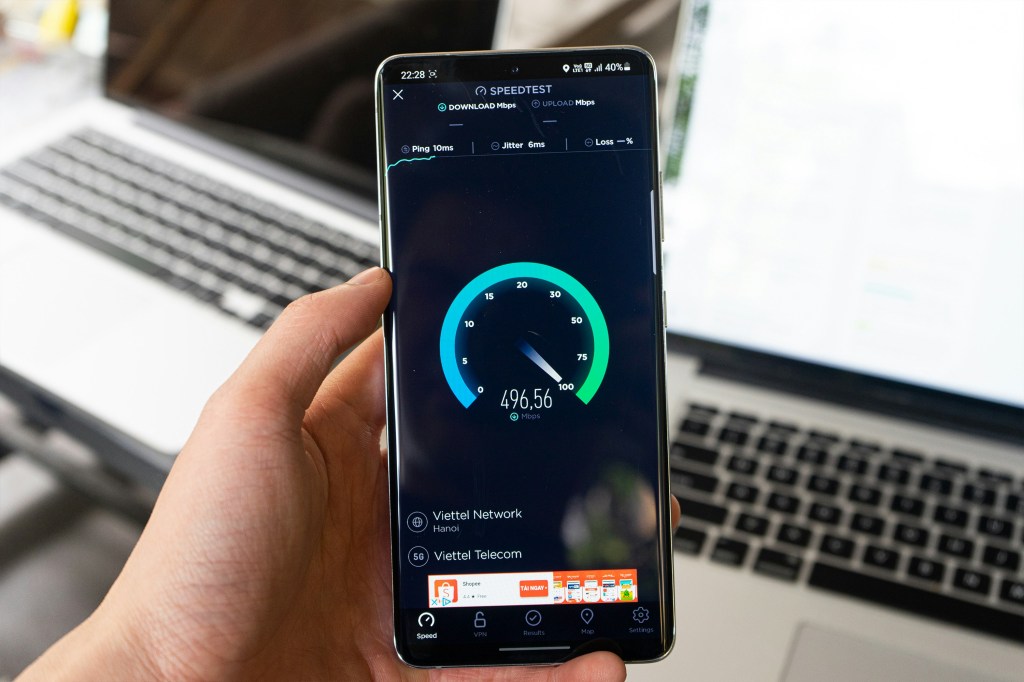
5G Rollout Accelerates
The global rollout of 5G networks is unlocking new opportunities for connected devices and services. However, it introduces:
- Increased complexity in network architecture.
- Higher risks from insecure IoT devices leveraging 5G connectivity.
Opportunities for IT Leaders
- Improved bandwidth and low latency for critical applications.
- Greater support for augmented reality (AR) and virtual reality (VR) in enterprise settings.
Mitigating Risks
- Partner with telecom providers to ensure network segmentation and security protocols.
- Deploy network slicing security strategies to isolate workloads.
5G networks are enabling transformative technologies, such as autonomous vehicles and smart infrastructure, but their complexity introduces new vulnerabilities. The decentralized nature of 5G networks, with distributed nodes and software-defined networking, creates additional entry points for attackers. As a result, telecom providers are prioritizing 5G network security by implementing advanced encryption protocols and intrusion detection systems tailored for 5G environments.
From a business perspective, the enhanced capabilities of 5G are opening doors for innovation in edge computing and IoT ecosystems. Organizations are leveraging 5G’s low latency to develop real-time applications, such as AR-assisted maintenance and remote healthcare solutions. However, to fully realize these benefits, IT leaders must ensure that 5G-enabled applications are built with security as a core consideration from the outset.
8. Workforce Challenges in Cybersecurity

Talent Shortages Persist
The cybersecurity talent gap is expected to exceed 3.5 million unfilled positions in 2025. Organizations must:
- Prioritize upskilling and reskilling initiatives.
- Leverage managed security service providers (MSSPs) to fill immediate gaps.
Emerging Roles
- Cyber Resilience Architect
- AI Threat Analyst
- Quantum Cryptography Specialist
Addressing the talent shortage requires creative strategies beyond traditional hiring. Organizations are turning to initiatives like cybersecurity bootcamps and apprenticeship programs to develop talent from diverse backgrounds. By collaborating with academic institutions and offering hands-on training opportunities, businesses can cultivate a pipeline of skilled professionals equipped to handle the challenges of modern cybersecurity.
Automation and AI are also playing a pivotal role in mitigating the talent gap. AI-driven tools can handle repetitive tasks, such as log analysis and vulnerability scanning, allowing security teams to focus on more strategic initiatives. However, organizations must ensure their workforce is equipped to manage and interpret these tools effectively, emphasizing the need for continuous education and skills development.
9. Emerging Technologies in IT
Generative AI in Development and Operations
Generative AI tools, like ChatGPT, are being integrated into development pipelines to:
- Automate code generation and debugging.
- Enhance DevSecOps workflows by identifying vulnerabilities earlier.
Blockchain Beyond Cryptocurrencies
Blockchain applications are expanding into secure identity management, supply chain traceability, and fraud prevention.
Biometric Security Advancements
Biometrics, such as facial recognition and behavioral authentication, are becoming more sophisticated and prevalent.
Generative AI is reshaping the development landscape, enabling faster prototyping and more efficient software delivery. Developers are using AI tools to automatically generate boilerplate code, identify potential bugs, and even suggest design improvements. This integration reduces time-to-market and helps ensure higher-quality outputs. However, it also raises new concerns about the security of AI-generated code, emphasizing the importance of thorough code reviews and testing.
Blockchain technology is gaining traction as a secure and transparent solution for managing digital identities. Decentralized identity frameworks are being piloted in areas like financial services and e-commerce, where verifying user credentials without storing sensitive data is critical. As these applications mature, they are expected to address long-standing challenges related to identity theft and fraud.
10. Notable Security Incidents and Lessons from 2024
High-Profile Data Breaches
Review key breaches from 2024, highlighting lessons learned and areas for improvement. Examples may include:
- Insider threats in critical infrastructure.
- Supply chain compromises impacting global organizations.
Proactive Measures for 2025
- Conduct detailed risk assessments of third-party vendors.
- Invest in security awareness training to mitigate human error.
Reflecting on high-profile security incidents from 2024, one clear trend is the growing sophistication of supply chain attacks. Threat actors are targeting software providers and other critical vendors to gain access to their customers’ networks. This tactic was exemplified by breaches involving widely used software platforms, which impacted thousands of downstream organizations. As a result, supply chain security is now a top priority for many IT leaders.
Another key lesson is the importance of a multi-layered defense strategy. Incidents where attackers successfully bypassed traditional perimeter defenses highlight the need for robust endpoint protection, network segmentation, and continuous monitoring. Organizations must also ensure that their incident response plans are regularly updated and tested to reflect emerging threats and evolving business priorities.
11. The Role of Cybersecurity in Geopolitics
Cybersecurity as a Tool of Diplomacy
In 2025, cybersecurity is playing an increasingly significant role in international relations. Governments are leveraging cyber capabilities to protect critical infrastructure, influence public opinion, and disrupt adversaries’ operations. Cyber diplomacy initiatives are being launched to establish norms for responsible state behavior in cyberspace, such as avoiding attacks on healthcare and energy sectors.
- The number of cyber incidents linked to state-sponsored actors increased by 25% in 2024, with healthcare and energy sectors as primary targets.
- Over 80 countries are now participating in global cyber norms agreements, up from 65 in 2023.
Implications for Businesses
Organizations must recognize that they are often caught in the crossfire of geopolitical cyber conflicts. Companies operating in critical sectors like finance, telecommunications, and defense should anticipate heightened targeting and implement stringent cybersecurity measures. Participating in government-led cyber resilience programs can provide additional protection and resources.
- A 2025 survey found that 70% of critical infrastructure organizations consider geopolitical risks a top cybersecurity challenge.
- 65% of businesses in the financial sector report increased cyberattacks tied to international tensions.
12. Trump’s Impact on Cybersecurity in 2025

Policy and Funding Shifts
Under Donald Trump’s continued influence in the political landscape, U.S. cybersecurity policy in 2025 emphasizes economic protection and critical infrastructure resilience. Initiatives such as incentivizing private-sector cybersecurity investments and expanding funding for public-private partnerships are gaining traction. Federal funding for cyber education programs and workforce development has also increased, addressing the ongoing talent gap.
- Federal cybersecurity spending grew by 15% in 2025, reaching an estimated $28 billion.
- Over 10,000 cybersecurity apprenticeships were created in 2024 through public-private partnerships, with plans to expand in 2025.
Geopolitical Stances and Cybersecurity
Trump’s “America First” stance has led to increased scrutiny of foreign technology providers. Policies mandating stricter supply chain security and restrictions on certain overseas vendors are reshaping how organizations procure hardware and software. These moves aim to minimize the risk of supply chain attacks but may also drive up costs and complexity for businesses navigating compliance requirements.
- Supply chain audits are now mandated for 80% of government contracts, up from 50% in 2023.
- Restrictions on foreign vendors impacted 20% of U.S. IT procurement processes in 2024, with further increases expected in 2025.
13. Cybersecurity’s Role in Sustainability Initiatives
Securing Smart Grids and Renewable Energy Systems
The transition to renewable energy is accelerating, with smart grids and IoT-enabled energy management systems playing a pivotal role. These systems, however, are vulnerable to cyberattacks that could disrupt energy distribution or cause widespread outages. In 2025, cybersecurity is becoming a core component of sustainability strategies, ensuring that green energy systems are both efficient and secure.
- In 2024, 40% of energy sector cyber incidents targeted renewable energy systems, highlighting their growing importance.
- Smart grid cybersecurity investments are projected to exceed $8 billion globally in 2025.
Green IT Practices and Cybersecurity
Organizations are also adopting sustainable IT practices, such as optimizing server utilization and transitioning to energy-efficient data centers. These initiatives must balance environmental goals with cybersecurity needs, as leaner infrastructure could inadvertently introduce new vulnerabilities. Implementing security by design in green IT projects ensures that sustainability efforts do not compromise data protection.
- Over 60% of new data centers built in 2024 prioritized both energy efficiency and advanced security measures.
- A study found that adopting sustainable IT practices reduced operational costs by 15% while maintaining security in 2024.
14. Cybersecurity in the Era of Digital Transformation
Digital Transformation Accelerates Cyber Risks
As organizations embrace digital transformation, integrating cloud, IoT, and AI technologies, they are expanding their attack surfaces. Legacy systems and new digital tools often coexist in these environments, creating vulnerabilities that attackers can exploit. Organizations must address these challenges by prioritizing interoperability and enforcing consistent security policies across all systems.
- 55% of organizations in a 2025 survey identified legacy systems as their primary cybersecurity challenge during digital transformation.
- Digital transformation-related breaches increased by 30% in 2024, driven by poorly integrated technologies.
Zero Trust as a Digital Transformation Enabler
Zero Trust architectures are becoming integral to secure digital transformation. By treating every user and device as untrusted by default, Zero Trust reduces the risk of lateral movement within networks. In 2025, businesses adopting Zero Trust frameworks are better positioned to securely scale their operations and protect sensitive data, regardless of where it resides.
- Adoption of Zero Trust frameworks grew by 40% among enterprises in 2024, with continued growth expected in 2025.
- Companies implementing Zero Trust reported a 25% reduction in data breach costs in 2024.
15. Cybersecurity Awareness in a Remote and Hybrid Work Era

The Human Factor in Cybersecurity
With remote and hybrid work models firmly established, the human element remains a critical vulnerability. Employees working from home are more susceptible to phishing attacks and social engineering tactics. Cybersecurity awareness training in 2025 is evolving to include more engaging and personalized content, such as interactive simulations and gamified learning platforms.
- Phishing attempts targeting remote workers increased by 40% in 2024, emphasizing the need for enhanced training.
- Companies with gamified cybersecurity training reported a 70% improvement in employee engagement compared to traditional methods.
Securing Distributed Workforces
Organizations are investing in solutions to address the unique security challenges of remote work, such as endpoint detection and response (EDR) tools and secure access service edge (SASE) frameworks. These technologies provide robust protection for remote workers while ensuring seamless connectivity and productivity. Additionally, businesses are emphasizing device management policies, requiring employees to use organization-managed devices for work activities.
- Adoption of SASE solutions grew by 45% in 2024, driven by the rise in hybrid work models.
- 75% of organizations implemented stricter endpoint security policies for remote workers in 2024.
16. Cybercrime-as-a-Service (CaaS) Expands
The Commercialization of Cybercrime
The cybercrime ecosystem has evolved into a well-organized industry, with threat actors offering services such as ransomware kits, phishing campaigns, and DDoS attacks for hire. This commodification of cybercrime, often referred to as Cybercrime-as-a-Service (CaaS), lowers the barrier to entry for aspiring attackers. In 2025, even novice hackers can launch sophisticated attacks by purchasing tools and services on the dark web.
- The global CaaS market is estimated to exceed $1.5 billion in 2025, a 20% increase from 2024.
- Over 60% of ransomware attacks in 2024 were attributed to CaaS offerings.
Combating CaaS
To counteract this trend, organizations are relying on threat intelligence platforms that monitor dark web activity for emerging threats. Governments are also increasing international collaboration to dismantle cybercriminal networks and disrupt CaaS marketplaces. Businesses should implement proactive defenses, such as behavior-based threat detection, to identify and respond to attacks facilitated by CaaS.
- Threat intelligence spending increased by 30% in 2024 as organizations sought to counteract dark web threats.
- Collaborative international takedowns disrupted 15 major CaaS platforms in 2024, leading to a temporary decrease in activity.
Conclusion
As 2025 unfolds, the importance of staying ahead in cybersecurity cannot be overstated. The rise of AI, post-quantum cryptography, and advanced technologies offers both unprecedented opportunities and heightened risks. By prioritizing innovation, fostering collaboration, and committing to continuous education, organizations can navigate this dynamic landscape with resilience. Cybersecurity is no longer a standalone function but a fundamental enabler of progress and trust in the digital age. The decisions made today will determine not only the security of systems but also the trajectory of industries and economies worldwide.
Categories: Random Thoughts


 Securing The Universe