


Disclaimer: This is more of just a fun thing to do for us as a family. I promise I am not crazy!
Introduction to a Safe/Panic Room
A safe or panic room is a fortified space within a home designed to provide safety and protection during an emergency, such as a home invasion, natural disaster, or civil unrest. It acts as a secure refuge where individuals can shelter in place until help arrives or the threat subsides.
While a panic room can be a simple, windowless room with strong locks, modern safe rooms integrate technology and physical security measures to create a robust and resilient area for protection. A basement bedroom offers an ideal location for such a transformation, with its secluded and often inaccessible location, making it harder for intruders to detect or reach.
Benefits of a Safe/Panic Room
- Personal Protection: The primary purpose is to safeguard family members from intruders or violent threats.
- Peace of Mind: A safe room provides reassurance, knowing there’s a secure space to retreat to in times of danger.
- Privacy and Seclusion: For high-profile individuals or those at risk, a panic room can ensure privacy and security.
- Protection from Natural Disasters: It can offer safety from tornadoes, hurricanes, or earthquakes if equipped with the right materials.
- Emergency Communication Hub: A safe room can serve as a place where you can communicate with emergency services during a crisis.
Key Considerations for Planning a Safe Room in a Basement Bedroom
Before embarking on the transformation, there are several factors to consider:
- Room Location: Ensure the room is easily accessible and concealed. A basement bedroom typically works well because it’s isolated and harder to reach.
- Escape Route: While you’re focusing on securing a room, consider installing an escape route such as a hidden door or a ventilation shaft.
- Space and Layout: The room should be spacious enough to accommodate everyone you need to protect, along with necessary supplies and equipment.

Enhancing Security and Awareness: Technology Solutions
To turn your basement bedroom into a state-of-the-art safe room, integrating technology will significantly increase its security and preparedness.
1. Security Camera System
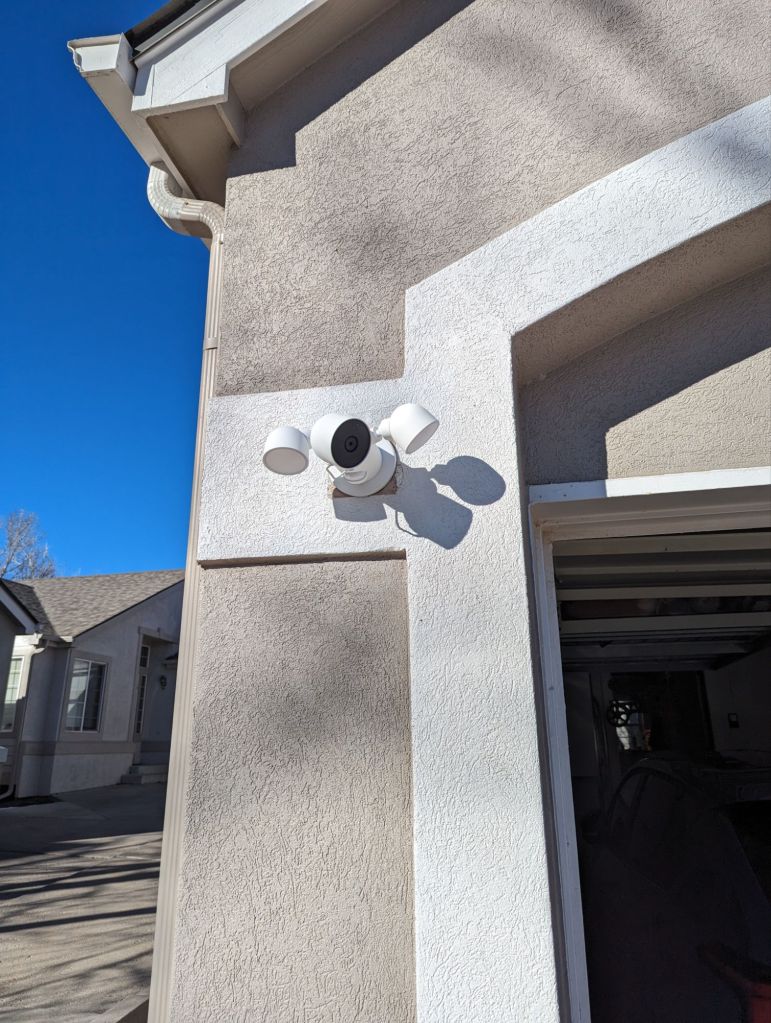
- Surveillance Cameras: Install high-quality, weatherproof cameras around your home, especially focusing on entry points like doors, windows, and the basement entrance. Ensure these cameras are connected to a cloud service or a local storage system for recording footage.
- Smart Cameras: Choose cameras with motion detection and night vision capabilities. Some cameras, like Ring or Arlo, offer two-way audio, so you can communicate with anyone outside the safe room.
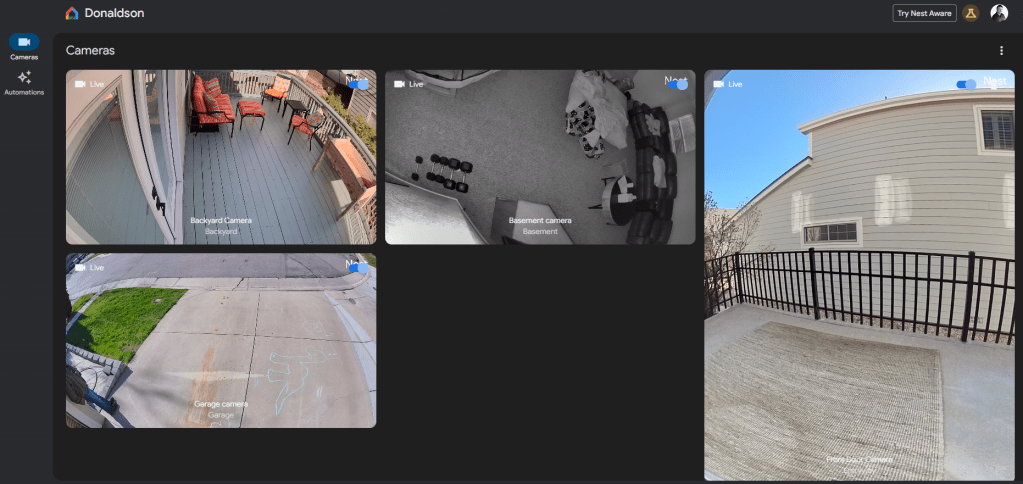
- Remote Monitoring: Use mobile apps to monitor the cameras remotely, ensuring you can keep an eye on the surroundings from inside the safe room.


2. Alarm Systems
- Motion Detectors: These sensors can detect movement in or around the safe room and other critical areas of the house. They can trigger loud alarms or notify you of suspicious activity.
- Glass Break Detectors: Install these near windows or entry points. If any glass is broken (e.g., an intruder attempts to enter), the alarm will trigger.
- Integrated Alarm System: Set up a centralized alarm system that can automatically notify local law enforcement or a private security company when triggered.

3. Communication Tools
- Emergency Phones: Keep a fully charged, dedicated phone (preferably one with no service contract) in the safe room to contact emergency services without being traced. Ensure the phone is not connected to the home network.
- Satellite Phone: If you’re in a remote area, a satellite phone is a great option to communicate in case the regular network goes down.
- Internet Connectivity: A backup internet connection (via a mobile hotspot or a separate line) allows you to access crucial online services, contact authorities, or maintain communication with loved ones.
4. Smart Home Integration
- Automated Locking Systems: Use smart locks on the safe room door and possibly even other parts of the house for added security. They can be locked or unlocked remotely and may come with biometric or keyless entry options.
- Home Automation Systems: Integrate with platforms like Amazon Alexa, Google Home, or smart hubs to control lights, locks, cameras, and alarms remotely from your phone.

Physical Security Measures for the Safe Room
In addition to technological security, physical fortifications are essential in ensuring the room is truly safe.
1. Door and Locking Mechanisms
- Solid Door: Install a heavy, solid-core door, made of steel or reinforced wood. This door should be equipped with strong locks and a deadbolt.
- Hidden Door: Consider creating a secret entryway that is difficult for intruders to find. Concealment behind bookcases, mirrors, or false walls works well in this context.
- Reinforced Hinges: Use heavy-duty, tamper-resistant hinges to prevent forced entry through the door.
2. Windows and Ventilation
- Block Windows: If your basement bedroom has windows, these should be either sealed or replaced with impact-resistant glass. If windows are necessary, install metal bars or shutters.
- Ventilation System: A well-ventilated safe room is critical. Install air vents with security grilles to allow airflow but prevent anyone from accessing the room.
3. Walls and Ceiling Reinforcements
- Reinforced Walls: Consider adding extra layers of drywall, steel plates, or Kevlar to walls to prevent penetration.
- Bulletproof Glass: If you want windows for visibility or ventilation, install bulletproof glass or other fortified materials.
- Ceiling Protection: If you’re particularly concerned about threats from above, reinforce the ceiling with similar materials.
Tools and Equipment for the Safe Room
The contents of the safe room will play a critical role in its effectiveness. These tools and items will ensure you’re self-sufficient during an emergency.
1. Emergency Supplies
- First Aid Kit: Include basic medical supplies like bandages, antiseptics, pain relievers, and any necessary medications.
- Flashlights and Batteries: Have multiple flashlights or battery-powered lamps with extra batteries to illuminate the room during a power outage.
- Portable Power Bank: A high-capacity power bank can keep devices like phones or radios charged.
- Fire Extinguisher: Keep a fire extinguisher in the room, especially if your panic room has electronics or is situated near a potential fire hazard.

2. Food and Water Storage
- Water: Store at least 1 gallon of water per person per day for a minimum of three days. Use sealed bottles or water bags that are easy to store.
- Non-perishable Food: Stock up on canned goods, energy bars, dried fruits, and other ready-to-eat foods that require minimal preparation.
- Manual Can Opener: Don’t forget a manual can opener to access canned goods.

3. Self-Defense Tools
- Pepper Spray or Taser: Have a form of self-defense, such as pepper spray or a taser, for protection in case intruders breach the room.
- Firearm (If Legal): In some cases, storing a firearm within the safe room for self-defense is recommended, but it should only be done with proper safety measures and training.
4. Entertainment and Comfort
- Books, Games, or Magazines: In case you need to spend extended time in the room, consider including items for entertainment or relaxation.
- Bedding and Pillows: Comfortable seating or bedding (like an inflatable mattress or sleeping bag) is crucial if you anticipate a long stay. They make awesome folding military wall-mount cots, but they can be built pretty easily as well!

My Setup
The Room
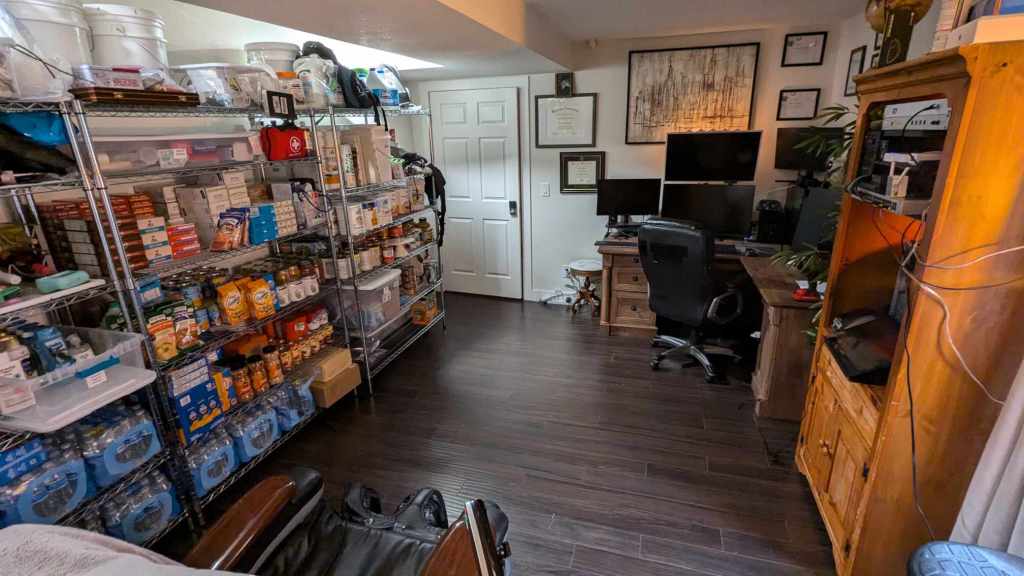
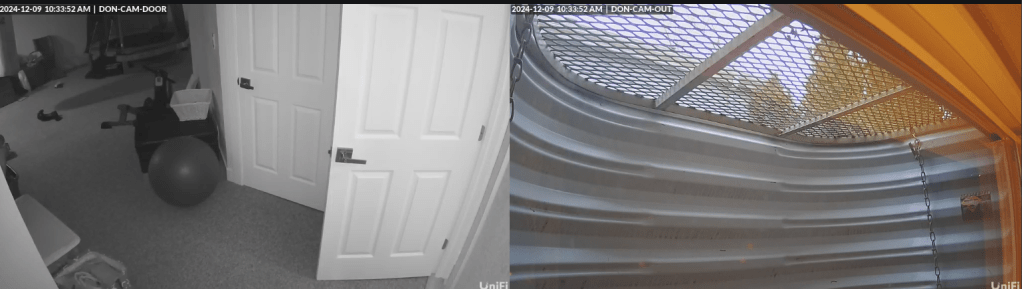
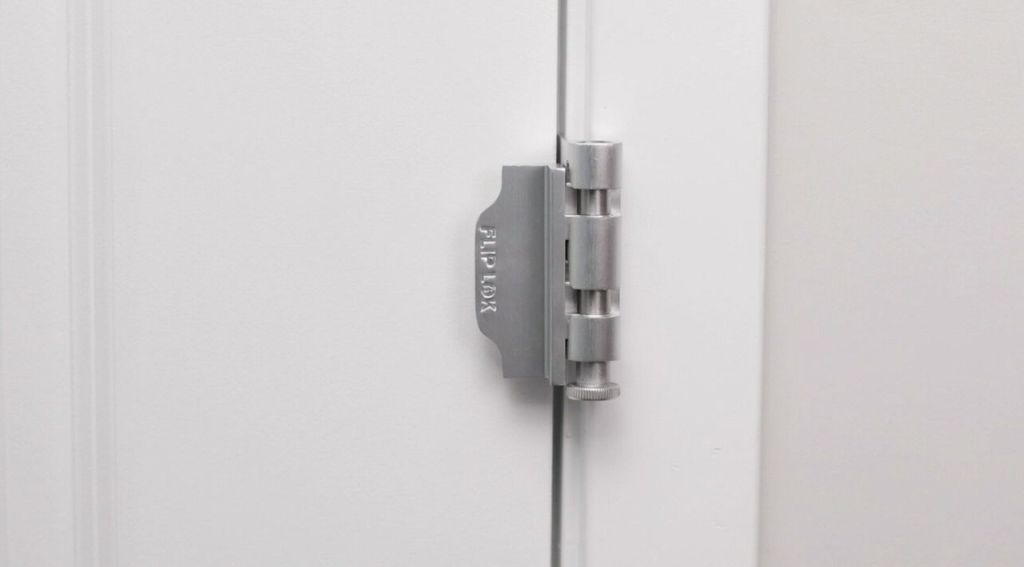
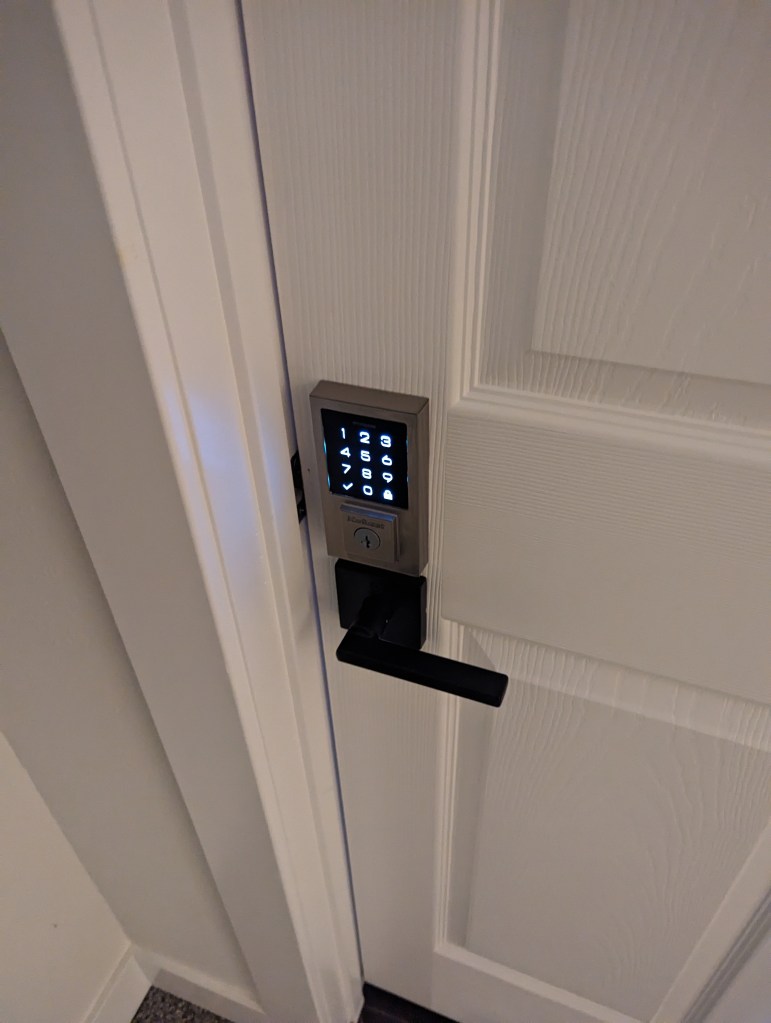
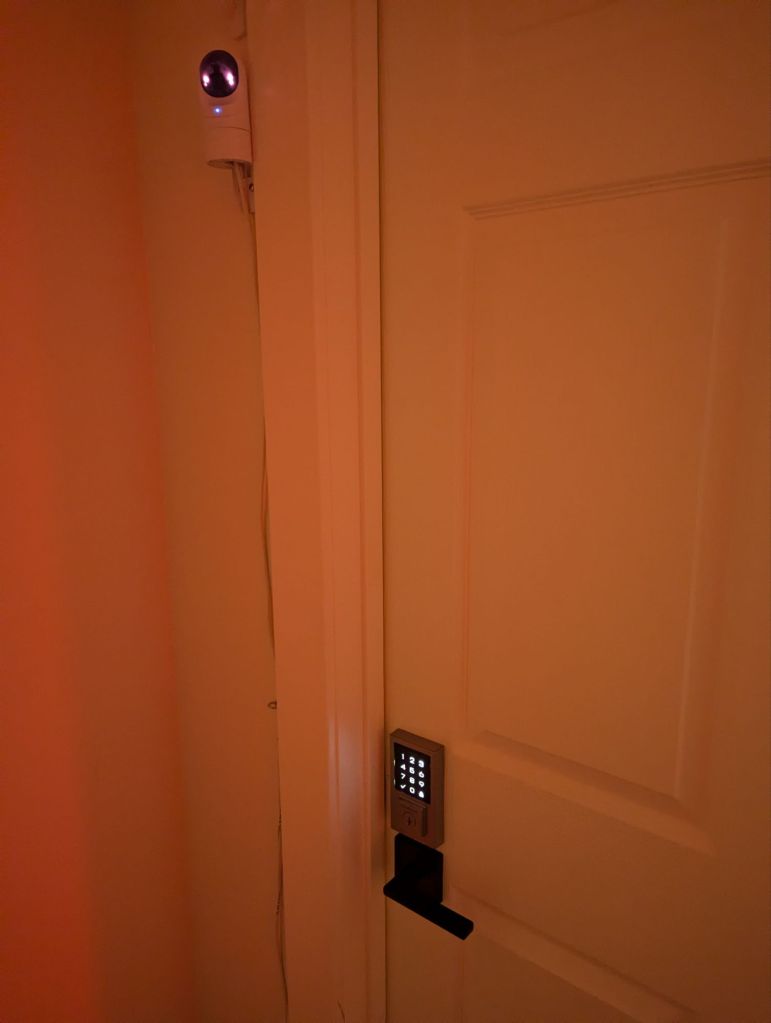
Currently, the room I chose is located in the basement on a wall that is shared with the garage, thus allowing the entrance to be easily concealed as to the untrained eye, it looks like a room shouldn’t be there (unless you are looking from the outside of the house). The room also features an egress window that will be used for air ventilation, water collection, solar power generation, and an emergency exit/entrance (this window is secured with a dual-locking heavy gate and monitored via a UniFi camera with motion detection). The room is also next to the bathroom in the basement; this will allow me to eventually have water access from the safe room using the access panel for the pipes for the jet tub. The room has a newly installed door, although it will need to be upgraded at some point to make it stronger. I may create an add-on metal brace or something, along with another door security lock, similar to the ones I use around the house (Flip Lock). It only has an LED PIN-pad entry lock which works well enough for now, and another UniFi camera monitoring the doorway.
Our house is also in a gated community with video surveillance. Having multiple layers of defense is something that, in cybersecurity, is quite beneficial. Use what you already know!


Current Gear
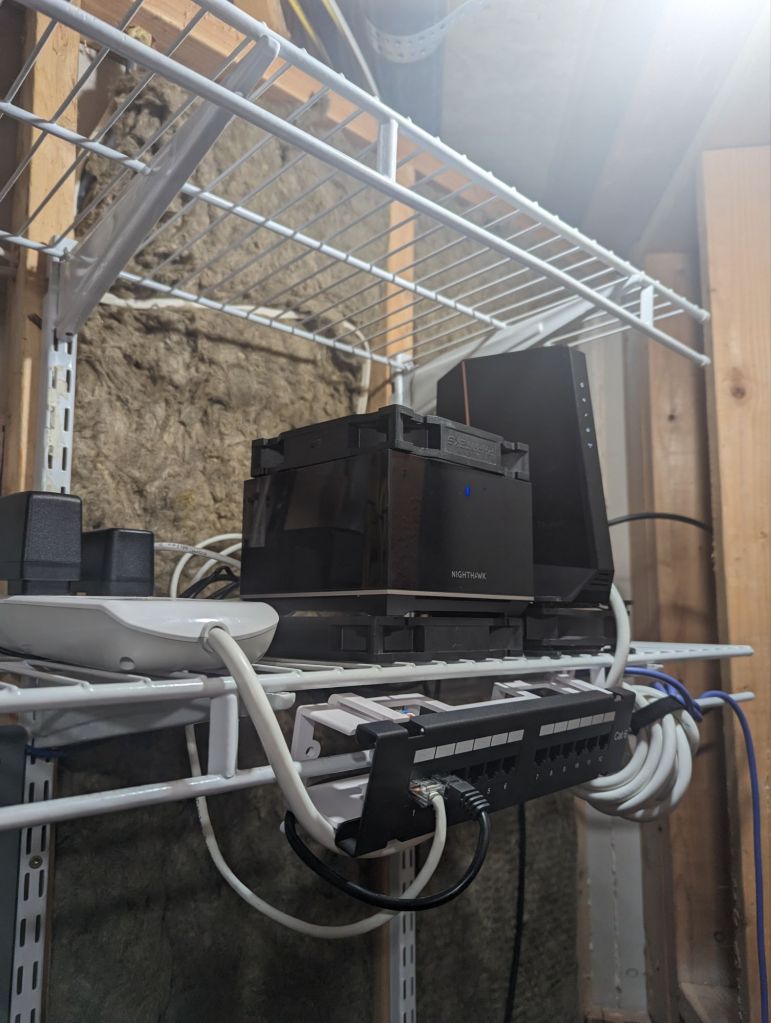
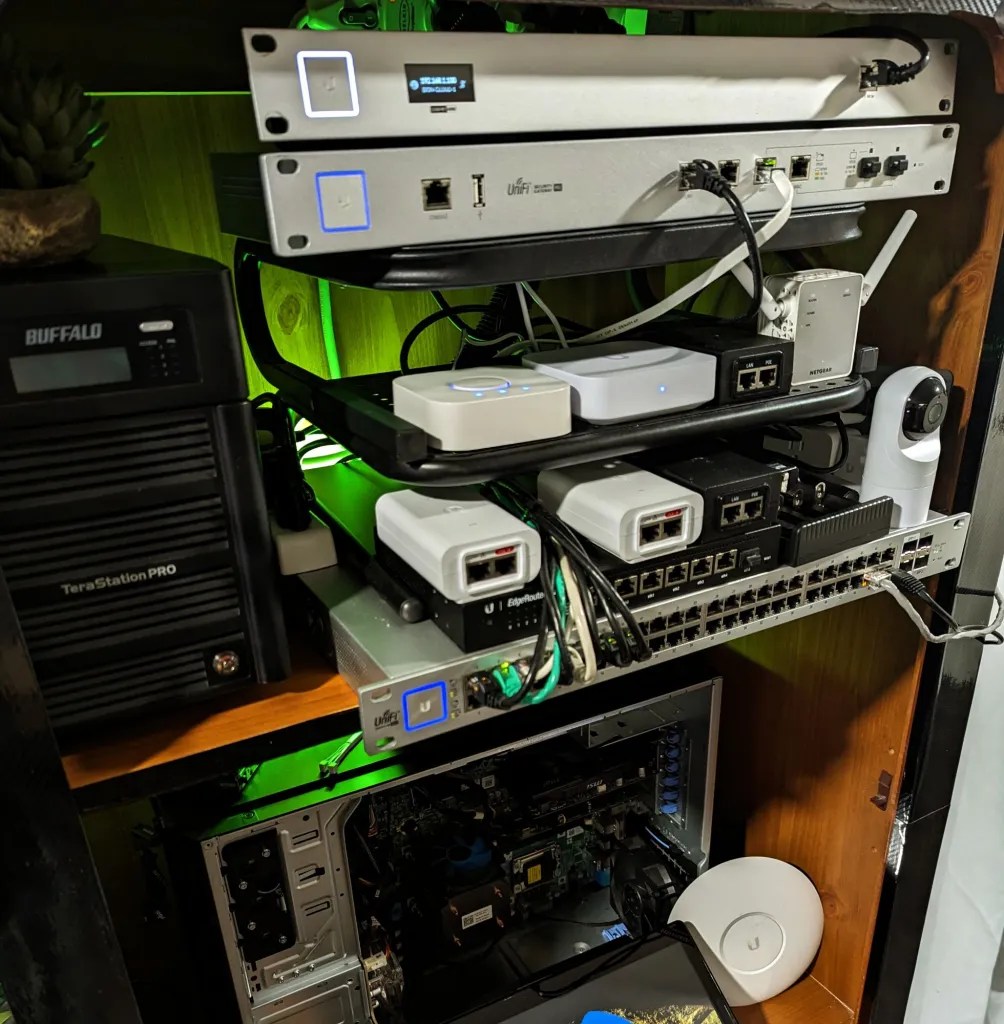
At the moment, we have enough food, water, tools, and equipment to not only survive most disaster scenarios but thrive for a long time after the fact. We also have items such as seeds, water purification systems and tablets, solar power generations, cots, guns and ammo, survival/medical literature, and everything else one can think of. However, it is the area of tech that I believe my safe room really shines! Since I moved in, I have been working on overhauling the home network and getting as much of it as I could in the basement. While the main internet line runs to the utility room directly in front of the safe room (it houses a patch panel, my main NIGHTHAWK mesh router, and lines running to the safe room and both other NIGHTHAWK WAPs), my entire rack is housed in the saferoom, allowing me to control everything from the safety of my soon-to-be guarded walls. For surveillance, I am utilizing Google Nest cameras for both exterior and interior zones (whole house) and a separate UniFi setup just for the safe room. The network in my safe room is segmented from the main, allowing me to have further control and a bit of redundancy should one fail. At the moment, unlike my other houses, I am not using any proximity or door sensors as I find the Nest cameras’ functions to cover this well.
Future Plans
Eventually, if I plan on staying at this house forever, I will install added protection on the walls and ceiling to increase its blast protection, as well as fortify the door by installing a security door or merely upgrading the current one. I will also hide the entrance to the safe room with either a room divider and plants or a retractable cover. For water, while it is nice to have a method of getting it from the main line within the safe room, I would like to figure out a way to modify my house’s gutters so that all of the water can be collected from them within that window in the safe room. I also need to get some more firearms, such as two assault rifles, two handguns, and possibly a sawed-off shotgun for use in the safe room. A gas generator is next on our list, but we do have some solar options now. One thing many people forget about is building supplies. Whether it be boarding up your house’s windows, making repairs, or crafting something new, storage of wood, nails, glue, etc. should be kept and maintained as to prevent humidity and pest damage.
Panic/Safe Room Plan for Home Intruder Scenario
This plan outlines the steps to take when a home intruder is detected and your family needs to retreat to the safe room. It also includes how to fortify the room, communicate with authorities, and ensure your family’s safety while waiting for law enforcement.
1. Initial Detection of an Intruder
When you or a family member detects an intruder:
- Stay Calm and Quiet: Keep calm and immediately alert all family members to the danger. The element of surprise can be your greatest advantage.
- Activate Alarm System: If possible, activate your alarm system, which will notify authorities and may also alert the intruder that the authorities are on their way.
- Call 911: If you can do so without being heard, call 911. Leave the line open so dispatchers can hear any background sounds. Provide your location, the nature of the threat, and details about any potential intruders.
- Activate Cameras: Use your mobile device to check the Nest and UniFi camera feeds for real-time updates on the intruder’s movements.
2. Family Communication and Roles
Ensure everyone knows their roles and responsibilities:
- Designated Leader: The adult or family member most capable of maintaining control should take charge of the situation.
- Assigned Tasks: Assign each family member a specific task. One person can be in charge of securing the safe room, another can guide children, and another may contact authorities if necessary. For example, I will be responsible for setting up the tech while my wife loads our weapons.
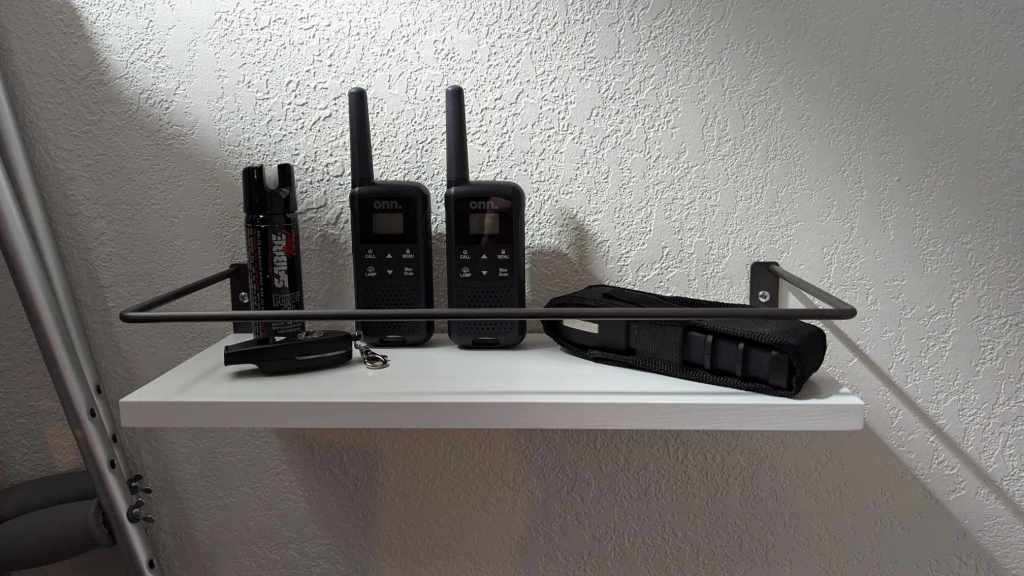
- Silent Communication: Have a pre-arranged system for silent communication, like using a designated text message group or hand signals, to minimize sound while moving through the house. For example, I have multiple communication methods, ranging from the voice capabilities of my Nest cameras to handheld radios, and we utilize call signs, but that is more fun than anything!
3. Moving to the Safe Room (Escape and Evacuation)
Exit Plan:
- Primary Route: Each family member should head directly to the safe room, which is located in the basement.
- Move through the house quietly and quickly to avoid detection.
- Use the most direct path to the safe room, avoiding areas with windows or external doors.
- Backup Route: If the primary path is blocked or too dangerous, use an alternate route to the safe room. This could be a secondary hallway or another exit point, like the egress window, which can also be an emergency exit.
- Close Doors Behind You: As you move through the house, ensure that doors are shut to delay the intruder’s progress. Don’t lock them if it could potentially trap you in a room.
4. Securing the Safe Room
Upon entering the safe room:
- Lock and Barricade the Door: Immediately lock the door with the LED PIN-pad entry lock and engage any additional security measures like a security brace or deadbolt. If possible, reinforce the door with a metal brace.
- Check for Security Camera Feeds: Use your mobile device to monitor the exterior and interior cameras (Nest, UniFi) for any signs of movement or activity near your house.
- Close and Block the Window: Ensure the egress window is secure with its dual-locking heavy gate. If needed, block the window to prevent anyone from seeing into the room.
5. Enhancing Security in the Safe Room
Fortify the room:
- Activate Alarm System: Ensure your alarm system is active, triggering notifications if any sensors detect movement. Utilize motion detectors and glass break detectors around the house.
- Monitor Communications: Keep the emergency phone (or satellite phone) ready to communicate with authorities. This will be your primary contact with emergency services if needed.
- Use Smart Home Systems: If necessary, use smart home automation systems (e.g., Nest, Amazon Alexa) to control lights, cameras, and locks remotely, ensuring full control over the environment. Fun idea: If you have multiple Alexa and Nest smart devices around the house like I do, feel free to set an automation that turns the house’s lights off or to a different color (red), plays an audio file warning the intruder that they messed with the wrong house, and then play heavy metal music as loud as possible to confuse the enemy while you go room-to-room clearing the house!
6. Self-Defense Measures
Prepare for Defense if Needed:
- Firearms (if legal): If the intruder is attempting to breach the safe room, make sure firearms (such as your rifle or shotgun) are accessible. Ensure that all adults in the room know how to use them.
- Secure the firearms in a safe manner but with quick access.
- Non-Lethal Weapons: If you’re not using firearms, have non-lethal weapons like pepper spray or a taser available for defense.
- Self-Defense Awareness: Everyone in the safe room should be aware of how to defend themselves if necessary and have a clear understanding of the importance of remaining calm.
7. Waiting for Law Enforcement
Stay Safe and Silent:
- Stay Quiet and Alert: Do not engage the intruder unless absolutely necessary. Stay quiet and listen for any signs of movement that could indicate where the intruder is located.
- Monitor the Situation: Continue monitoring camera feeds for any signs that the intruder has breached your safe room or is moving elsewhere in the house.
- Provide Updates to 911: If you’re able to speak or type messages, give law enforcement any new information about the intruder’s location, movements, and behavior.
- Use Backup Internet (if necessary): If your main home internet is compromised, use your backup internet connection (mobile hotspot or separate line) to maintain communication with authorities or loved ones.
8. After Law Enforcement Arrives
When law enforcement arrives:
- Follow Instructions: Once the authorities arrive, follow their instructions carefully. Keep all lights off to avoid being mistaken for the intruder.
- Identify the Threat: If possible, communicate to law enforcement where the intruder was last seen or their suspected location.
- Do Not Leave the Safe Room Immediately: Stay in the safe room until law enforcement has fully cleared the house and confirmed the threat is neutralized. The intruder may be hiding or in another area of the house.
9. Post-Incident Actions
Once the situation is resolved:
- Secure the Home: After law enforcement clears the house, check all entry points (doors, windows) to ensure they are secure.
- Contact Family and Support: Reach out to other family members or neighbors for support. Keep your emergency communication tools accessible for any follow-up needs.
- Document the Incident: Write down details of the incident as soon as possible, including the time, any suspicious behavior, and what actions were taken. This will be useful for insurance and legal purposes.
10. Future Improvements
After the incident, consider reinforcing the safe room and reviewing the following:
- Upgrade Security Measures: As you mentioned, consider upgrading the door to a more secure option, and fortify the walls and ceiling with additional layers.
- Increase Firearm Access: If you haven’t already, consider adding more firearms, such as handguns and assault rifles, to ensure self-defense within the safe room.
- Additional Escape Routes: If possible, create more concealed escape routes (such as a retractable cover or secret passage) to make it easier to leave the safe room in case of further threats.
- Emergency Water Collection: Consider modifying your home’s gutter system to direct all water into the safe room for emergency use, especially if you plan to extend your stay there for an extended period.
Conclusion
Transforming a basement bedroom into a safe/panic room involves more than just adding locks and a door. To create a truly secure and functional space, it’s essential to blend advanced technology with physical reinforcements and thoughtful planning. From surveillance and communication tools to food and self-defense equipment, every detail contributes to ensuring that you can remain safe and self-sufficient during an emergency. This thoughtful approach to designing a safe room will not only give you peace of mind but also protect your family in times of crisis. May your wife be as cool as mine and allow you to build one as well!
Categories: Random Thoughts


 Securing The Universe