


Introduction
In recent years, the healthcare industry has increasingly become a target for cybercriminals due to the sensitive nature of patient data and the critical services they provide. One of the most prevalent and effective methods used by cyber attackers is phishing. Phishing involves using deceptive emails or other communication methods to trick individuals into revealing sensitive information such as login credentials or financial details. For a healthcare organization with 500 employees, the risks associated with phishing attacks are significant, ranging from data breaches to potential regulatory penalties and damage to reputation.
This paper explores the development and implementation of a new anti-phishing security awareness campaign tailored specifically for a 500-person healthcare organization. The campaign will encompass policies, phishing testing methodologies, procedures, associated costs, advantages, and the role of artificial intelligence (AI) in enhancing these efforts. I will also share a playbook of sorts that will explain how one can create, enforce, and learn from security awareness campaigns.
Understanding Phishing Attacks in Healthcare
Healthcare organizations are particularly vulnerable to phishing attacks due to several factors. First, the vast amount of sensitive patient information stored within healthcare systems makes them lucrative targets for cybercriminals seeking to exploit or sell such data. Second, the high-pressure and fast-paced environment of healthcare settings can make employees more susceptible to phishing tactics, especially if they are not adequately trained to recognize and respond to suspicious emails or communications. Furthermore, with factors such as high employee turnover due to stress and erratic hospital shifts, as well as the use of outdated equipment or software that often plagues many companies struggling to keep up with the latest technologies, regulatory governances, and standardizations, healthcare organizations often have a target on their backs due to their increased chances of a successful breach, as well as the critical importance to keep the hospitals running 24/7, leading to attacks such as ransomware to be quite lucrative as disrupting operations can lead to a loss of life, something that isn’t common with other industries.

According to the 2021 Verizon Data Breach Investigations Report, phishing attacks were involved in a significant percentage of data breaches across various industries, including healthcare. The report highlighted that phishing continues to be a preferred method for initiating cyberattacks due to its effectiveness in exploiting human vulnerabilities rather than technical weaknesses in systems. No matter how secure an organization’s security protocols and methods are, the weakest link in the chain of cybersecurity is the human element, thus allowing an attacker to bypass the expensive systems set to defend against them, and instead, rely on the improperly trained new hire to allow them to gain access.
In healthcare, phishing attacks can lead to severe consequences such as unauthorized access to patient records, disruption of healthcare services, and financial losses. Therefore, it is imperative for healthcare organizations to implement robust security measures, including comprehensive anti-phishing strategies.
Developing Anti-Phishing Policies
Effective anti-phishing policies serve as the foundation for a healthcare organization’s security awareness efforts; these policies define the organization’s stance on phishing, outline procedures for reporting suspicious activities, and establish consequences for policy violations. Key elements of anti-phishing policies include:
- Definition of Phishing: Clearly defining what constitutes phishing and related forms of social engineering attacks within the context of the organization.
- Reporting Procedures: Establishing clear guidelines for employees to report suspicious emails or communications to the IT security team or designated personnel.
- Incident Response: Outlining the steps to be taken in the event of a suspected or confirmed phishing incident, including containment, investigation, and mitigation.
- Consequences: Communicating the repercussions of falling victim to phishing scams or failing to comply with anti-phishing policies, which may include disciplinary action or additional training.
- Regular Policy Reviews: Implementing periodic reviews and updates of anti-phishing policies to address emerging threats and regulatory changes.
By formalizing these policies, healthcare organizations can create a culture of security awareness and accountability among employees, thereby reducing the risk of successful phishing attacks.
Designing Phishing Testing Methods
Phishing testing methods are essential for evaluating the effectiveness of security awareness training and identifying areas for improvement. Healthcare organizations can utilize various types of phishing tests, including email simulations and USB drops, to assess employees’ susceptibility to social engineering tactics.
Types of Phishing Tests
Email Phishing Simulations:
- Definition: Simulated phishing emails are sent to employees to mimic real-world phishing attempts.
- Objective: Assess employees’ ability to recognize and report phishing emails.
- Features: Includes links to benign landing pages or attachments that do not contain malicious payloads.
- Metrics: Measures click rates (percentage of employees who interact with the email), reporting rates (percentage of employees who report suspicious emails), and overall awareness levels.
An example would be crafting and sending emails to employees on a broad, routine basis, impersonating an employee or other organization with malicious intent. Phishing emails can also contain a malicious link or file that when opened, would alert the security team of the failure to follow the organization’s security policies.
Spear Phishing Simulations:
- Definition: Targeted phishing simulations tailored to specific departments or individuals within the organization.
- Objective: Evaluate susceptibility to personalized phishing attacks that leverage insider knowledge or social engineering tactics.
- Features: Customized content based on publicly available information or previous interactions.
- Metrics: Assesses response to targeted information and adaptability of security awareness training.
An example would be crafting and sending emails containing credible information (things that are true, such as them referring to a specific employee’s recent wedding they found on Facebook) to specific risky individuals, such as a CEO. Spear phishing simulations are often much more advanced than simulations for the everyday user, as their risk factor is much higher.
Vishing (Voice Phishing) Simulations:
- Definition: Phishing attacks conducted via telephone or VoIP services.
- Objective: Test employees’ awareness of voice-based social engineering tactics.
- Features: Involves simulated phone calls requesting sensitive information or actions (e.g., resetting passwords).
- Metrics: Measures the number of employees who comply with requests or recognize suspicious calls.
An example would be calling a healthcare organization’s IT department to request a password reset for an account that isn’t yours; this can be quite convincing if the attacker did some research beforehand using social media to compile a list of facts about the impersonated user, and then use that to add credibility to their request.
Other Security Awareness Tests
USB Drop Tests:
- Definition: Simulated tests involving USB drives containing benign payloads or files designed to trigger alerts upon insertion.
- Objective: Assess employees’ adherence to physical security policies and awareness of risks associated with unauthorized devices.
- Features: Placing USB drives in common areas to observe actions taken by employees who find them.
- Metrics: Tracks incidents of USB drive usage and reporting rates of suspicious devices.
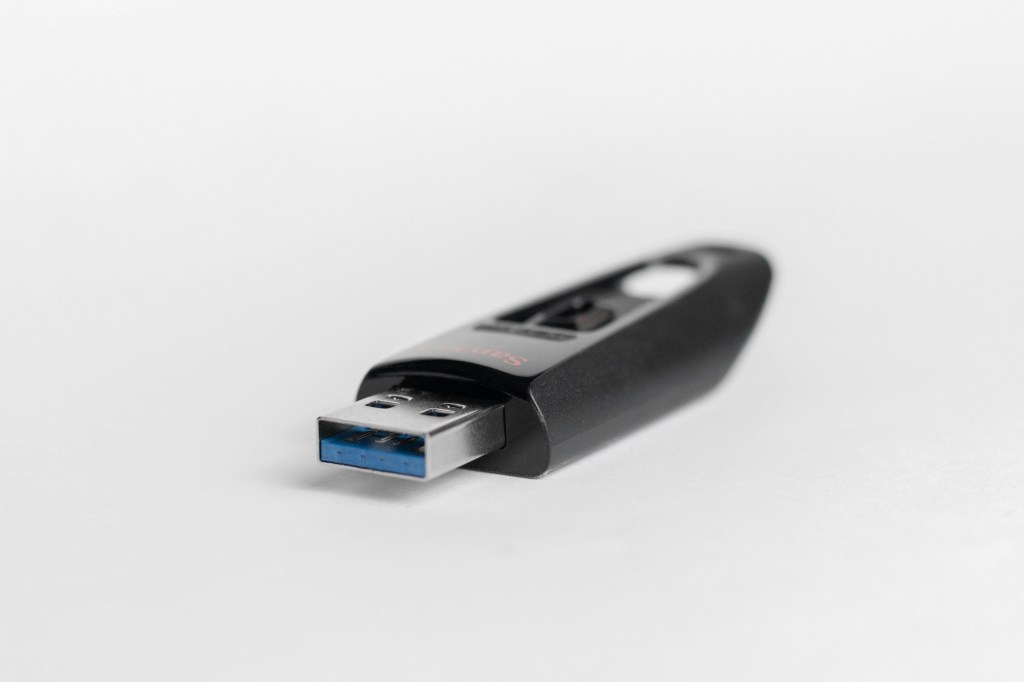
An example would be dropping a USB storage drive in the breakroom of an organization labeled something enticing, such as “employee reviews.” Proper policy would be to report and deliver the found drive to the security team, but if the employee instead opens it, it will then flag the security team of this failure to adhere to company policies.
Social Engineering Tests:
- Definition: Simulations of various social engineering tactics, including pretexting (fabricated scenarios to obtain information), baiting (enticing users to click on malicious links), and quid pro quo (offering something in exchange for sensitive information).
- Objective: Evaluate employees’ responses to manipulative tactics aimed at eliciting sensitive information or compromising security.
- Features: Customized scenarios based on common threats and industry-specific risks.
- Metrics: Measures employees’ recognition of social engineering attempts and compliance with security protocols.
An example would be researching a receptionist at a specific organization using social media, such as a recent birthday of a family member, and then, for example, bringing flowers to the office as a courier, and then asking the receptionist if they can get a video prepared on their computer really quick (recorded birthday message on a USB stick), that the customer also requested to be delivered.
Physical Security Tests:
- Definition: Evaluations of physical security measures, including access controls, visitor management, and device handling procedures.
- Objective: Assess compliance with physical security policies to prevent unauthorized access to sensitive areas or equipment.
- Features: Conducting audits or simulations of scenarios involving physical breaches or unauthorized access attempts.
- Metrics: Tracks incidents of policy violations, response times to alarms, and overall adherence to security protocols.

An example would be waiting until the last minutes before the start of a shift, such as 8:58, to stand in line at an organization’s badge check gate, and then ‘tailgating’ (standing behind an authorized employee as they go through the gate to hopefully gain access as well).
Compliance and Regulatory Tests
HIPAA Compliance Assessments:
- Definition: Evaluations of adherence to Health Insurance Portability and Accountability Act (HIPAA) regulations.
- Objective: Ensure healthcare organizations protect patient information and maintain privacy and security standards.
- Features: Reviews policies, procedures, and technical safeguards related to electronic protected health information (ePHI).
- Metrics: Measures compliance levels through audits, assessments, and corrective action plans.
An example would be impersonating a customer’s family member without authorized access to a user’s medical information by sending a receptionist an email request for medical records and see if the employee adheres to HIPAA or not.
Regulatory Compliance Drills:
- Definition: Simulated exercises to test readiness and response to regulatory compliance requirements.
- Objective: Prepare healthcare organizations for audits, inspections, or investigations by regulatory bodies.
- Features: Conducting tabletop exercises or scenario-based simulations of regulatory breaches or incidents.
- Metrics: Evaluates organizational preparedness, response effectiveness, and documentation practices.
These tests and simulations are crucial components of security awareness training programs in healthcare organizations. By regularly conducting phishing tests, social engineering simulations, and compliance assessments, security teams can enhance employee awareness, identify vulnerabilities, and reinforce best practices to mitigate cybersecurity risks effectively. This proactive approach helps safeguard patient data, maintain regulatory compliance, and strengthen overall cybersecurity resilience within healthcare environments.
Rationale for Using Multiple Methods:
Using a combination of email simulations and USB drops provides a more comprehensive assessment of employees’ susceptibility to phishing attacks. While email simulations assess employees’ ability to identify suspicious emails, USB drops evaluate their response to physical security threats, such as unauthorized USB devices.
Legal and Ethical Considerations:
When conducting phishing tests, healthcare organizations must adhere to legal and ethical guidelines to protect employees’ privacy and avoid causing undue harm. This includes obtaining informed consent from participants, ensuring tests do not disrupt patient care or critical operations, and complying with data protection regulations (e.g., HIPAA in the United States).

Frequency and Scheduling:
Phishing tests should be conducted regularly but unpredictably to maintain their effectiveness. Quarterly or bi-annual testing schedules are commonly recommended, with adjustments based on organizational risk assessments and feedback from previous tests.
Metrics for Measuring Effectiveness:
Metrics such as click rates (percentage of employees who interact with phishing emails), reporting rates (percentage of suspicious emails reported by employees), and improvement over time can gauge the effectiveness of phishing awareness training. These metrics provide valuable insights into employees’ awareness levels and areas requiring additional training or reinforcement.
Implementing Phishing Testing Procedures
The successful implementation of phishing testing procedures requires careful planning, execution, and analysis to maximize their impact on employee awareness and behavior.
Email Phishing Simulation Procedures:
- Planning and Preparation: Define the objectives, scope, and scenarios for the phishing simulation campaign. Select appropriate phishing templates that resemble real-world threats and customize them based on organizational context (e.g., healthcare-specific terminology).
- Execution and Monitoring: Distribute phishing emails to employees at predetermined intervals, ensuring emails are sent during working hours and appear realistic to recipients. Monitor employees’ responses in real-time using phishing simulation software to track clicks, opens, and other interactions.
- Analysis and Reporting: Analyze the results of the phishing simulation campaign to identify trends, vulnerabilities, and areas for improvement. Generate comprehensive reports detailing metrics such as click rates, reporting rates, and response times. Share findings with stakeholders, including senior management and the IT security team, to inform decision-making and prioritize remedial actions.
USB Drop Testing Procedures:
- Planning and Preparation: Identify suitable locations within the healthcare organization to place USB drives, ensuring they are accessible to employees but not easily detected. Prepare USB drives with simulated malicious files or malware that trigger alerts upon opening.
- Execution and Monitoring: Deploy USB drives during non-business hours or under controlled conditions to minimize disruption to operations. Monitor employee interactions with USB drives using physical surveillance or remote access capabilities to assess adherence to security protocols.
- Analysis and Reporting: Evaluate employee responses to USB drops based on observed behaviors, such as plugging in USB drives and accessing files. Document findings in a detailed report outlining incident frequencies, detection rates, and potential vulnerabilities. Share actionable insights with relevant teams to reinforce security awareness and improve response protocols.
Costs Associated with Anti-Phishing Campaign
The implementation of an anti-phishing security awareness campaign entails various costs, including initial setup expenses and ongoing operational investments.
Initial Setup Costs:
- Phishing Simulation Software: Licensing fees for specialized software capable of creating, deploying, and analyzing phishing simulations tailored to healthcare organizations’ needs.
- Training and Development: Costs associated with developing customized phishing templates, training materials, and awareness programs for employees at all levels.
- Hardware and Infrastructure: Investments in hardware devices (e.g., USB drives) and IT infrastructure to support phishing testing procedures, including storage and data analytics capabilities.
Ongoing Operational Costs:
- Maintenance and Updates: Regular updates to phishing simulation software, training modules, and security protocols to address emerging threats and compliance requirements.
- Staff Time and Resources: Allocation of personnel resources for administering phishing tests, analyzing results, and coordinating remedial actions as necessary.

Cost-Effectiveness Analysis:
Despite upfront investments, the cost-effectiveness of an anti-phishing campaign can be evaluated based on potential cost savings from mitigating phishing-related incidents, such as data breaches, regulatory fines, and reputational damage. By proactively investing in security awareness and training, healthcare organizations can significantly reduce the financial and operational impacts of successful phishing attacks over time.
Advantages of an Effective Anti-Phishing Campaign
Implementing an effective anti-phishing campaign offers numerous benefits to healthcare organizations, including:
- Reduction in Successful Phishing Attacks: Increased awareness and preparedness among employees can significantly reduce the likelihood of falling victim to phishing scams targeting sensitive patient information and organizational assets.
- Increased Security Awareness: Regular training and phishing simulations promote a culture of vigilance and responsibility among employees, empowering them to identify and report suspicious activities promptly.
- Protection of Sensitive Information: Safeguarding patient records and confidential data from unauthorized access or disclosure minimizes the risk of regulatory non-compliance and legal liabilities under healthcare privacy laws (e.g., HIPAA).
- Compliance with Regulatory Requirements: Demonstrating proactive measures to enhance cybersecurity resilience aligns with regulatory expectations and industry standards for protecting patient data and maintaining trust in healthcare services.
- Improved Overall Cybersecurity Posture: Strengthening defenses against phishing attacks contributes to a comprehensive cybersecurity strategy, complementing technical controls and incident response capabilities within the organization.
Role of AI in Anti-Phishing Measures
Artificial intelligence (AI) plays a pivotal role in enhancing the effectiveness and efficiency of anti-phishing measures within healthcare organizations.
AI-Driven Phishing Detection Tools:
- Machine Learning Algorithms: AI-powered algorithms analyze patterns and characteristics of phishing emails to detect anomalies and identify potential threats in real-time. By continuously learning from new data, machine learning models can adapt to evolving phishing tactics and improve detection accuracy over time.
- Natural Language Processing (NLP): NLP techniques enable AI systems to analyze the content and context of email communications, distinguishing between legitimate messages and phishing attempts based on linguistic cues and semantic patterns.
AI in Phishing Simulation:
- Realistic Simulations: AI-generated phishing templates simulate sophisticated attack scenarios tailored to healthcare-specific contexts, enhancing the authenticity and effectiveness of training exercises.
- Behavioral Analysis: AI algorithms track and analyze employee responses to phishing simulations, identifying behavioral patterns and areas requiring additional training or intervention.
AI for Continuous Improvement:
- Threat Intelligence: AI-driven threat intelligence platforms aggregate and analyze global threat data to identify emerging phishing trends and proactive measures.
- Personalized Training: AI algorithms personalize training modules based on individual learning behaviors and performance metrics, optimizing the effectiveness of security awareness programs.
By integrating AI into anti-phishing measures, healthcare organizations can strengthen their defenses against evolving cyber threats while fostering a culture of adaptive resilience and continuous improvement.

The Plan
Creating a detailed step-by-step cybersecurity awareness program for Healthcare Organization X involves several critical phases to effectively mitigate phishing risks and enhance overall security posture. Here’s a comprehensive plan structured from start to finish:
Phase 1: Information Gathering
1. Identify Departments to Train:
- Determine which departments handle sensitive patient information, financial transactions, or have access to critical systems. Prioritize training for these departments to mitigate high-risk areas.
2. Select Team for Email Phishing Tests:
- Assign a dedicated team from the IT security department or a third-party vendor experienced in conducting phishing simulations. This team will create, deploy, and analyze phishing tests.
3. Motivation Strategies:
- Establish a balanced approach of incentives and consequences to encourage vigilance among employees:
- Rewards: Recognize and reward employees who report phishing emails or USB drops promptly. Rewards can include gift cards, public recognition, or additional training opportunities.
- Consequences: Implement progressive disciplinary actions for employees who repeatedly fail phishing tests or demonstrate negligent behavior. This can range from additional training sessions to formal warnings or temporary restrictions on system access.
Phase 2: Creation
1. Build Training Material:
- Develop comprehensive training modules tailored to Healthcare Organization X’s specific needs and regulatory requirements (e.g., HIPAA compliance).
- Include interactive elements, case studies, and real-world examples to enhance engagement and relevance for employees.
2. Develop Phishing Tests:
- Create a variety of phishing email templates based on common attack vectors observed in the healthcare industry (e.g., fake patient record access requests, financial transaction alerts).
- Design realistic scenarios that simulate phishing attempts likely to be encountered by employees in their roles.
3. Set Up Recurring Meetings:
- Schedule regular meetings with department heads and managers to communicate the importance of cybersecurity awareness and gather feedback on training needs.
- Use these meetings to coordinate phishing test schedules and ensure departmental cooperation and support.
Phase 3: Implementation
1. Conduct Phishing Tests on Recurring Schedule:
- Deploy phishing simulations periodically throughout the year, adjusting scenarios and timing to maintain unpredictability and effectiveness.
- Rotate between standard email phishing tests, spear phishing simulations targeting specific departments, and vishing (voice phishing) tests to assess overall preparedness.
2. Execute USB Drop Tests:
- Perform USB drop tests in public areas and departments where physical security awareness is critical.
- Monitor employee responses to USB drops to evaluate adherence to policies regarding unauthorized device usage.
3. Analyze Results and Provide Feedback:
- Collect and analyze metrics from phishing tests, including click rates, reporting rates, and response times.
- Provide detailed reports to department heads and managers, highlighting trends, areas for improvement, and exemplary behavior.
Phase 4: Lessons Learned
1. Apply Statistical Insights:
- Use statistical data gathered from phishing tests to identify patterns and trends in employee behavior.
- Compare metrics such as click rates and reporting rates across departments to target specific areas for additional training or reinforcement.
2. Adjust Training and Testing Strategies:
- Incorporate lessons learned into ongoing training programs, updating content and delivery methods based on feedback and performance data.
- Tailor future phishing simulations and training modules to address emerging threats and reinforce key cybersecurity principles.
3. Continuous Improvement:
- Foster a culture of continuous improvement by soliciting feedback from employees and stakeholders, integrating new technologies and best practices, and staying informed about industry developments.
By following this structured cybersecurity awareness program, Healthcare Organization X can systematically enhance employee readiness to detect and respond to phishing attacks. The program’s phased approach ensures comprehensive coverage from initial training and testing to ongoing evaluation and adaptation based on statistical insights. This proactive strategy not only strengthens organizational defenses but also promotes a culture of cybersecurity awareness and resilience across all levels of the organization.
Case Study: Successful Implementation in Healthcare Organizations
Several healthcare organizations have successfully implemented comprehensive anti-phishing security awareness campaigns, achieving notable improvements in cybersecurity resilience and employee awareness.
Case Study Example:
Healthcare Organization X
- Challenges: Healthcare Organization X faced increasing phishing attempts targeting patient data and financial information, posing significant compliance risks under HIPAA regulations.
- Solution: Implemented a multifaceted anti-phishing campaign combining policy development, phishing testing, and AI-powered detection tools.
- Results: Achieved a 50% reduction in successful phishing incidents within six months of campaign implementation. Increased employee reporting rates and compliance with security protocols.
- Lessons Learned: Emphasized the importance of executive leadership support, continuous training, and regular assessment of phishing readiness across departments.
Best Practices: Healthcare Organization X’s experience highlights the effectiveness of proactive measures, including ongoing evaluation and adaptation of anti-phishing strategies based on organizational needs and emerging threats.
In conclusion, building a new anti-phishing security awareness campaign for a 500-person healthcare organization requires a strategic approach encompassing policies, phishing testing methodologies, procedures, costs, advantages, and leveraging AI technologies. By fostering a culture of vigilance and accountability among employees, healthcare organizations can mitigate the risks posed by phishing attacks, protect sensitive patient information, and enhance overall cybersecurity resilience. Continuous adaptation to evolving threats and compliance requirements is essential to maintaining effective anti-phishing measures and safeguarding organizational integrity.
Recommendations for Implementing a New Campaign
Based on the insights discussed, the following recommendations are proposed for successfully implementing a new anti-phishing security awareness campaign in a healthcare organization:
- Secure Executive Support: Gain endorsement from senior leadership to prioritize cybersecurity initiatives and allocate necessary resources for campaign implementation.
- Allocate Resources: Invest in specialized phishing simulation software, AI-driven detection tools, and training programs tailored to healthcare-specific threats and compliance requirements.
- Training and Engagement: Provide comprehensive training for employees at all levels, emphasizing the identification of phishing tactics, reporting procedures, and the importance of cybersecurity hygiene.
- Continuous Evaluation: Regularly assess the effectiveness of phishing testing procedures, analyze metrics, and adjust training strategies based on performance data and employee feedback.
- Collaboration and Awareness: Foster collaboration between IT security teams, compliance officers, and departmental stakeholders to ensure cohesive implementation and adherence to anti-phishing policies.
By adopting these recommendations, healthcare organizations can enhance their resilience against phishing attacks and promote a culture of proactive cybersecurity awareness among employees.
Categories: Security


 Securing The Universe