


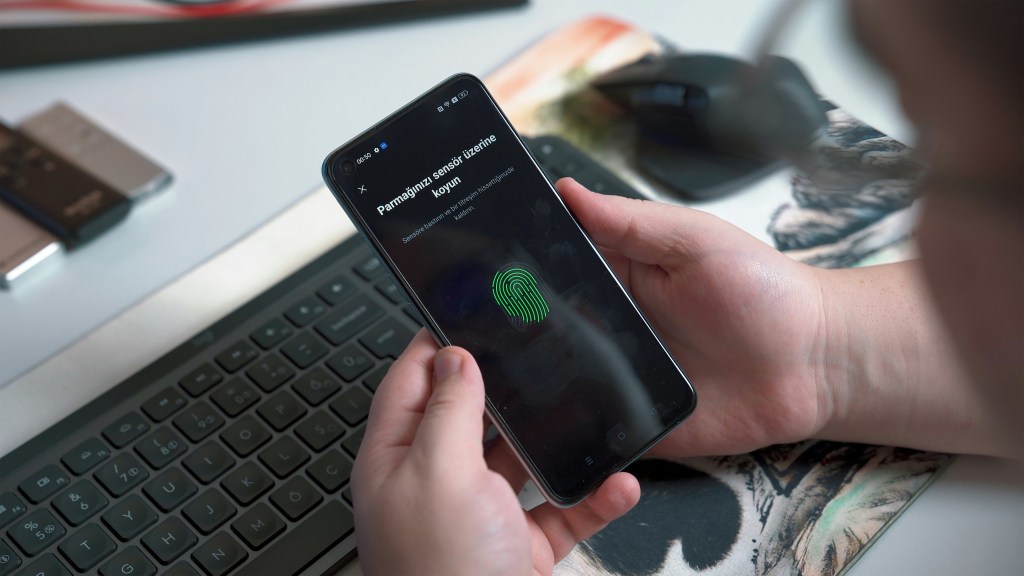
In an era where traditional passwords are increasingly viewed as vulnerable, biometric security has emerged as a promising alternative. The use of unique biological markers, such as fingerprints, iris patterns, and facial recognition, adds an extra layer of protection to our digital lives. However, as with any technological advancement, biometric security is not without its risks and challenges. In this blog post, we’ll explore some of the potential pitfalls associated with relying on biometrics for safeguarding sensitive information.
Understanding Biometric Security
Biometric security involves the use of biological or behavioral characteristics to authenticate and verify the identity of individuals. Unlike traditional passwords or PINs, biometric identifiers are unique to each person, offering a higher level of security. Common biometric modalities include:
Fingerprint Recognition: This method relies on the unique patterns of ridges and valleys on an individual’s fingertip.
Facial Recognition: Analyzing facial features and structures to identify and authenticate users.
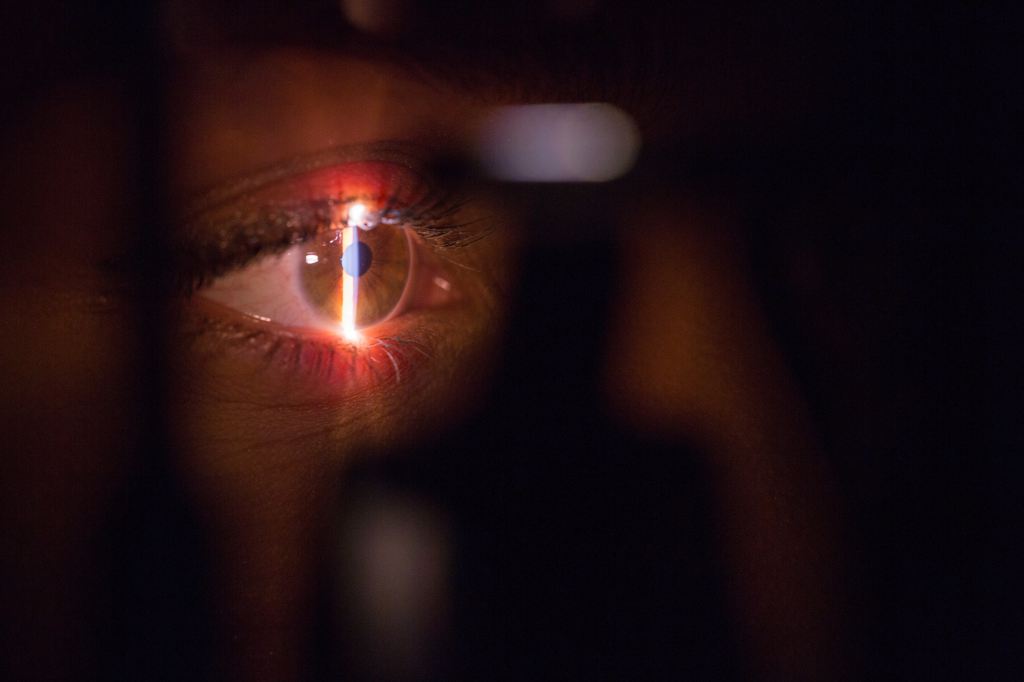
Iris Scanning: Capturing and analyzing the unique patterns in the colored part of the eye.
Voice Recognition: Analyzing the unique vocal patterns and characteristics of an individual’s voice.
Retina Scanning: Examining the blood vessel patterns in the back of the eye.
Behavioral Biometrics: Analyzing unique behavioral traits such as typing patterns, gait, or signature dynamics.
Variations in Biometric Security
Biometric security is a diverse field with various modalities, each offering unique advantages and facing distinct challenges. The choice of modality often depends on the specific requirements and use cases. Some variations include:
Multi-Modal Biometrics: Combining multiple biometric modalities for enhanced accuracy and security.
Continuous Authentication: Monitoring and verifying user identity throughout an entire session, adding an extra layer of protection.
Mobile Biometrics: Integrating biometric authentication into smartphones for convenient and secure access.
Remote Biometrics: Allowing authentication from a distance, often used in surveillance or access control systems.
Reviewing Top Biometric Security Products and Devices
- Apple Face ID:
Modality: Facial Recognition.
Pros: High accuracy, user-friendly, integrated into Apple devices.
Cons: Vulnerable to some facial spoofing techniques. - Samsung Ultrasonic Fingerprint Scanner:
Modality: Fingerprint Recognition.
Pros: Fast and accurate, embedded in smartphone screens.
Cons: Can be affected by dirt or damage to the screen. - Microsoft Windows Hello:
Modalities: Facial Recognition, Fingerprint Recognition.
Pros: Works across various Windows devices, supports multiple modalities.
Cons: Facial recognition may struggle in low-light conditions. - Google’s Voice Match:
Modality: Voice Recognition.
Pros: Natural and convenient, integrated into Google Assistant.
Cons: Susceptible to voice recordings or imitations. - IrisGuard EyePay:
Modality: Iris Scanning.
Pros: Highly accurate, used in financial and humanitarian applications.
Cons: Requires close proximity to the device.
Risks and Challenges
- Irreversibility and Privacy Concerns:
Biometric data, once compromised, cannot be changed like a password. If someone gains unauthorized access to your fingerprint or iris scan, there is no way to reset or modify these identifiers; this irreversibility raises serious privacy concerns, as individuals may feel uneasy knowing that their unique physical traits are stored in databases that could be targeted by malicious actors. - Biometric Data Storage:
Storing biometric data in centralized databases poses a significant risk; if these repositories are breached, the consequences can be severe. Unlike a stolen password that can be changed, compromised biometric information can lead to long-term identity theft and unauthorized access. The challenge lies in implementing robust security measures to protect these databases from cyber threats. - Spoofing and Forgery:
While biometric systems are designed to detect and reject fake or forged attempts, the technology is not foolproof. Sophisticated spoofing methods, such as creating realistic fingerprint replicas or using high-quality photos for facial recognition, can deceive some biometric systems. Ensuring the accuracy and reliability of biometric scanners is an ongoing challenge for developers. - Standardization and Interoperability:
The lack of standardized protocols for biometric systems can create interoperability issues. Different devices and platforms may use varying algorithms and formats, making it challenging for seamless integration and data sharing. Standardization efforts are essential to ensure compatibility and consistency across diverse biometric applications. - Ethical Considerations:
The use of biometric data raises ethical questions about consent, data ownership, and user control. Individuals might be uncomfortable with the idea of their biometric information being collected and shared without clear understanding and consent. Striking the right balance between security and respecting user rights remains a constant challenge. - Cost and Accessibility:
Implementing biometric security measures can be costly, especially for businesses or organizations with large user bases. Additionally, not all individuals may have access to the required technology, raising concerns about inclusivity. The challenge is to develop cost-effective solutions that do not compromise the accessibility of secure systems. - Changing Biometrics Over Time:
Biometric identifiers can change over time due to factors like aging, injury, or medical conditions; this poses a challenge in maintaining the accuracy and reliability of biometric authentication systems over an individual’s lifetime. Continuous monitoring and updating of biometric data might be necessary for long-term effectiveness.
Conclusion
In conclusion, while biometric security offers a promising frontier for protecting digital assets, acknowledging and addressing the associated risks and challenges is paramount. Striking a balance between security, privacy, and user experience requires ongoing research, development, and ethical considerations. As the technology evolves, it is crucial for both developers and users to stay informed about the latest advancements and best practices in biometric security.
In my own experience, biometrics have been quite the benefit as one does not need to reset a password as much, as well as due to the fact that it reduces my stress regarding unauthorized account access by increasing sign-in security. While using multiple methods of authentication can be a chore to some users, in this day and age, one can never be safe enough. I have seen some downsides while using the technology, ranging from problems when dealing with multiple biometric vendors at once, each posing their own specific software, setup, and interaction with other systems, to full-blown lockouts due to errors with biometric identifiers (outages, injuries to the part of the body that is scanned, etc.). Overall, I will take any help I can get in preventing unauthorized account access, and implementing biometrics is a great aid in doing so.
Categories: Security


 Securing The Universe